Why a Canary Stops Singing After Daylight Saving Time Changes
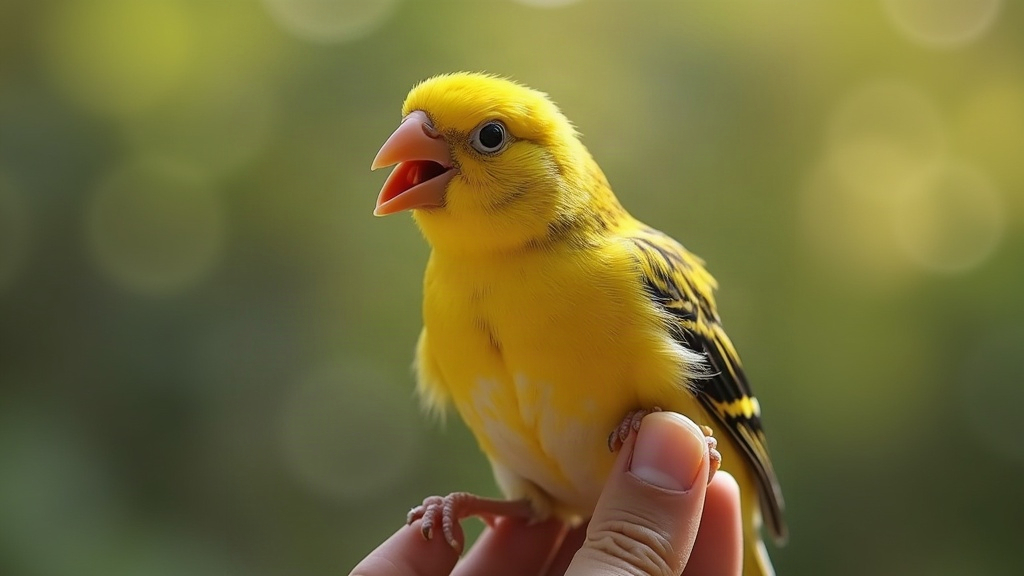
If your canary suddenly stopped singing right after the clocks changed, you’re not imagining things. And you’re definitely not alone. This is one of the most common seasonal complaints canary owners bring up, every single spring and fall, like clockwork (pun intended). The short answer: canaries are extremely sensitive to light cycles, and an abrupt one-hour shift in daylight exposure can throw off their internal clock, hormone levels, and singing drive almost overnight.
Why Light Changes Affect Canary Song So Much
Canaries don’t sing just because they feel like it. A male canary’s song is tightly controlled by photoperiod, which is just a fancy word for how many daylight hours the bird experiences each day. Longer days trigger hormonal changes (testosterone climbs) that stimulate singing, tied to breeding behavior back in their wild ancestry. Shorter days send the opposite signal, telling the bird’s body to conserve energy and go quiet.
When daylight saving time shifts clocks forward or backward by an hour, it doesn’t just change what time humans wake up. It changes exactly when a caged canary’s room gets light or goes dark, especially if the bird relies on natural window light, or on a lamp timer you forgot to reset. Even a single hour of discrepancy can:
- Confuse the bird’s circadian rhythm
- Reduce the “daylight hours” the bird perceives it’s getting
- Trigger a mini molt-like hormonal dip
- Cause temporary stress, reduced appetite, or quietness
Common Scenarios Owners Report
- Spring forward (March): Birds near windows suddenly get an extra hour of evening light they weren’t used to, which can actually boost singing. But if the household routine flips things the other way (lights off earlier because of a new schedule), song can drop instead.
- Fall back (November): This is the bigger troublemaker. Days effectively feel shorter because routines shift earlier, light exposure drops, and plenty of canaries go quiet for 1 to 3 weeks as their body reads the shorter days as “autumn,” a natural non-singing stretch.
Is This Harmful or Normal?
For most healthy canaries, this is a normal physiological response, not an illness. Canaries are wired to respond to changes in daylight length. It’s literally how their reproductive and vocal cycles are regulated in the wild. A silent canary for a week or two after a time change? Rarely worth losing sleep over.
That said, if the silence drags on past 3 weeks, it’s worth ruling out:
- Molting (check for extra feathers piling up at the bottom of the cage)
- Illness (fluffed feathers, lethargy, odd droppings)
- Stress from a cage move, a new pet in the house, or sudden loud noise
- Not enough total light hours (under 10-12 hours a day)
How to Help Your Canary Adjust
- Keep a consistent light schedule year-round. A cheap plug-in timer on a cage light or room lamp does the trick, giving your bird the same number of light hours every day (ideally 12-14 hours during active singing season), no matter what the wall clock says.
- Transition gradually. Rather than shifting the whole light schedule by an hour overnight, nudge it by 10-15 minutes a day over the week of the DST changeover.
- Avoid sudden darkness. A dim night light, or a gradual dimmer near the cage, keeps the bird from being plunged into pitch black all at once, which can trigger night frights (and yes, that’s as scary for the bird as it sounds).
- Keep everything else steady too. Feeding times, cage cleaning, room activity: try to hold these as close to normal as you can while the bird adjusts.
- Be patient. Give your canary 1 to 3 weeks to resync. Pushing extra light too hard, too fast, can backfire and overstimulate the bird instead of helping it.
When to Worry
Call an avian vet if the silence comes along with any of these:
- Staying puffed up for long stretches
- Refusing food or water
- Labored breathing
- Discharge from the eyes or nostrils
- Noticeable weight loss
These point to something beyond a simple light-cycle adjustment and deserve prompt attention.
Conclusion
A canary going quiet after a daylight saving time change is, almost always, just a natural reaction to disrupted light, not a sign of sickness. Keep the light schedule consistent (a timer beats relying on window light alone) and you’ll cut down on that seasonal silence, with your bird usually back in full voice within a few weeks. If the quiet drags on well past that, or other symptoms show up, a vet visit is the safe move.