How to Keep a Betta Fish Warm During a Winter Power Outage
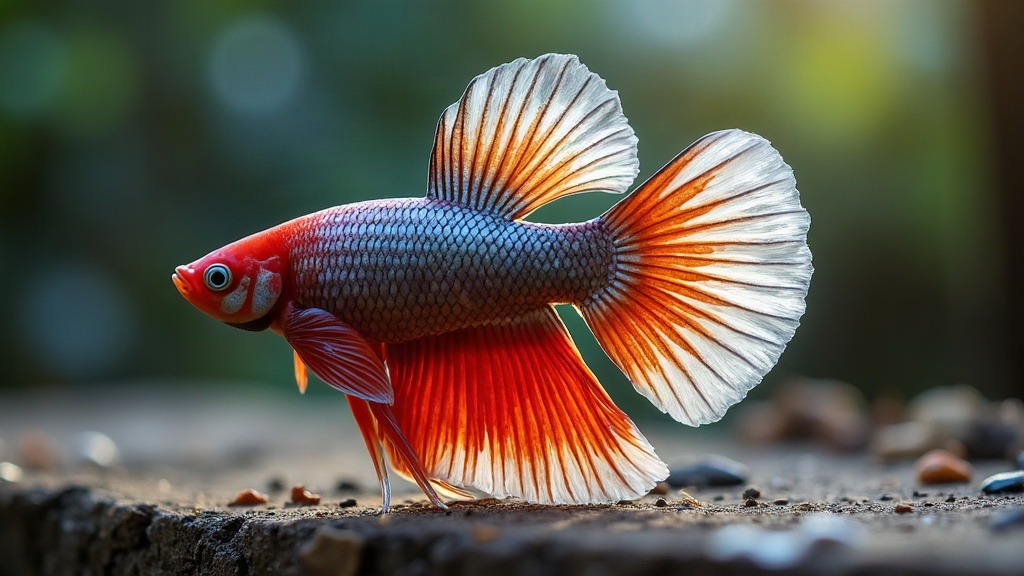
A winter power outage can turn deadly for a betta fish within hours. Bettas need water sitting between 76-82°F (24-28°C), and once temperatures start sliding, they go sluggish, weak, sometimes sick, pretty fast. The good news? A handful of simple, low-tech tricks can keep your betta safe and warm until the lights come back on.
Why Cold Water Is So Dangerous for Bettas
Bettas come from warm rice paddies and slow-moving streams in Southeast Asia, not chilly basements. Their metabolism, immune system, digestion, all of it runs on stable warm water. Once the temperature dips below 70°F (21°C), things start going wrong:
- The immune system weakens, opening the door to fin rot and fungal infections
- Digestion slows way down, raising the risk of bloating or constipation
- The fish turns lethargic, often just sitting at the bottom of the tank
- Prolonged cold below 60°F (15°C) can kill, especially in younger or older bettas
Even a drop of just a few degrees over several hours puts real stress on a betta. So when the power goes out, don’t wait around, act fast.
Step 1: Insulate the Tank Immediately
The easiest first move is simply slowing down heat loss.
- Wrap the tank in towels, blankets, or even a sleeping bag, but leave the top open so oxygen can still get in.
- Move the tank away from windows and drafts. Cold air seeping in from a window or door frame can chill the water surprisingly quickly.
- Add a lid or loose plastic wrap over the top, with small gaps, to trap warm air and cut down on evaporation-driven cooling.
- Got foam board, cardboard, or an insulated cooler bag lying around? Wrap it around the sides of the tank for an extra layer.
Step 2: Use Safe, Non-Electric Heat Sources
No power means no heater, so you’ll need a workaround.
Chemical Hand Warmers
Those air-activated hand warmer packets, the kind sold for gloves and boots, can pump out heat for hours. Tape them to the outside of the glass, never drop them in the water, and swap them out as they cool down.
Hot Water Bottles
Fill a sealed plastic bottle (or an actual hot water bottle) with warm, not boiling, water and press it against the outside of the tank glass. For larger tanks, you can float it gently inside a sealed bag. Refresh the water every 1-2 hours to keep it working.
Battery-Powered Heaters
Live somewhere outages happen a lot? Grab a battery-operated aquarium heater or a small USB heater you can run off a power bank. They’re cheap, and honestly worth having in a drawer just in case.
Move to a Warmer Room
If one part of your house tends to stay warmer, say, near a fireplace or wherever the family gathers, it might be worth temporarily moving the tank there.
Step 3: Downsize the Water Volume (If Needed)
For an outage that drags on, moving your betta into a smaller, insulated container with less water actually helps, since less water means less mass to keep warm. A small insulated cooler with just an inch or two of tank water can double as a makeshift hospital tank. Just make sure there’s enough surface area exposed for oxygen exchange.
Step 4: Monitor Temperature Constantly
Grab a battery-powered aquarium thermometer, or even a cheap stick-on strip thermometer, and check the temperature every 30-60 minutes. This tells you exactly when you need to add more heat, and when you can finally relax a bit.
What NOT to Do
- Never use an open flame, candle, or space heater anywhere near the tank. Fire risk aside, sudden heat can crack the glass.
- Don’t dump hot water directly into the tank all at once. A sudden temperature swing shocks a betta just as badly as cold does.
- Avoid piling blankets on so thick that no oxygen reaches the water’s surface.
After the Power Comes Back
Once the power’s back, let the heater bring the temperature up gradually, no more than 2-3°F per hour, so you don’t shock your fish after all that careful work. Keep an eye out over the next day or two for clamped fins, loss of appetite, or odd color changes. If you spot early signs of fungal issues or fin damage, a small betta-safe dose of aquarium salt can help.
Being Prepared for Next Time
If winter outages are a regular thing where you live, put together an emergency kit and just leave it ready:
- Chemical hand warmers
- A battery-powered heater or thermometer
- Extra blankets or an insulated cooler
- A backup battery pack or power bank
Conclusion
A power outage doesn’t have to spell disaster for your betta. Insulate the tank, bring in a safe alternative heat source like hand warmers or a hot water bottle, and keep checking the temperature. Do that, and your fish should ride out the outage just fine. A little prep now buys a lot of peace of mind the next time winter weather takes down the grid.