Safe Summer Cooling Methods for a Bearded Dragon Enclosure
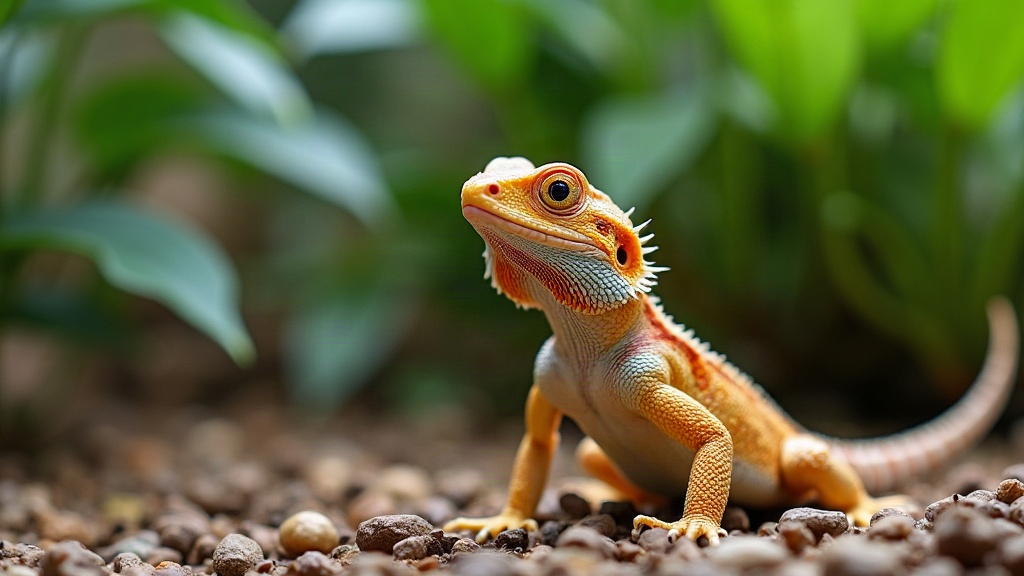
When summer temperatures spike and you don’t have AC, keeping a bearded dragon’s tank at a safe temperature turns into a genuine balancing act. The good news: you don’t need expensive gear to pull this off. Smart placement, better ventilation, a bit of evaporative cooling, and some adjustments to your existing heat sources will usually do the trick. The goal here isn’t to turn the tank into a fridge. You just need to stop the ambient temperature from sliding past 95-100°F (35-38°C) on what’s supposed to be the cool side.
Why Summer Heat Is Dangerous for Bearded Dragons
Beardies come from the desert, so heat tolerance is sort of their thing. But they still rely on a thermal gradient, a cool spot they can retreat to once they’ve soaked up enough warmth. The trouble starts when the whole enclosure heats up uniformly and there’s nowhere left to escape to. Watch for these warning signs:
- Open-mouth gaping (and not the normal kind they do during brumation)
- Darkening or blackening along the beard or body (ironically, this is their way of trying to absorb less heat, and it’s a stress signal, not a color preference)
- Lethargy, skipping meals, or pressing flat against the glass
- Fast, labored breathing
Here’s a rule of thumb: if the room itself climbs above 85°F (29°C), the “cool zone” in your tank probably isn’t cool anymore. It’s just… less hot.
1. Relocate the Enclosure Strategically
- Pull the tank away from any window that gets direct sun. Glass terrariums turn into miniature greenhouses shockingly fast, sometimes gaining 15-20 degrees within an hour of direct exposure.
- Pick the coolest room in the house. Skip west-facing windows entirely; that late-afternoon sun is brutal.
- Keep the enclosure off the floor if it’s near an uninsulated exterior wall, and steer clear of kitchens or any room with heat-generating appliances humming nearby.
2. Improve Ventilation Without Creating Drafts
Hot air doesn’t move on its own in a glass box, it just sits there and builds. A few fixes:
- Swap a solid lid for mesh or screen if you haven’t already. This alone makes a noticeable difference.
- Add a small, quiet computer fan (5-12V) angled to blow across the top of the enclosure, never straight down at your dragon. You just want air moving, not a wind tunnel.
- Crack a window in the room during the cooler morning or evening hours (with a secure screen, obviously), then shut it again once the outdoor temperature starts climbing.
One thing to avoid: never point a fan directly at your bearded dragon. It stresses them out and can dry out their eyes and skin surprisingly fast.
3. Turn Off or Lower Supplemental Heat During Heat Waves
People forget this one constantly. If the room’s already warm, that basking bulb might be doing way more than it needs to:
- Drop to a lower-wattage bulb for summer, say swapping a 100W for a 60W, if conditions allow.
- Switch off ceramic heat emitters or under-tank heaters completely once overnight room temps stay above 80°F (27°C).
- Get a digital thermostat with a probe so supplemental heat only kicks in when genuinely needed. Otherwise you’re heating the tank twice over, once from the bulb, once from the room itself.
4. Use Evaporative Cooling Carefully
Done right, evaporative cooling can knock a few degrees off the ambient temperature without turning the tank into a sauna:
- Set a shallow bowl of water near the enclosure (not in it), somewhere airflow passes through, so evaporation pulls a little heat out of the air.
- Lightly mist the screen top in the early morning, never the dragon or the substrate. As that moisture evaporates, it carries heat away with it.
- Don’t let humidity creep up inside the tank itself. Bearded dragons need it low, around 20-40%, or you risk respiratory problems.
5. Freeze-and-Place Method (Use With Caution)
- Freeze water in a sealed bottle, then set it outside the enclosure near the screen top. As it melts, cool air drifts in gradually.
- Never, ever put ice or a frozen bottle directly inside the tank or anywhere close to your dragon. A sudden cold spot can genuinely shock their system.
6. Monitor With Reliable Thermometers
Summer isn’t the season to guess. Get yourself:
- Digital probe thermometers for both the basking side and the cool side.
- A separate thermometer just for the room, so you can track how the baseline shifts across the day.
Check all three readings in the morning, at midday, and again in the evening. Heat waves have a habit of peaking hours after the sun’s already past its strongest point, often catching people off guard around 4 or 5 p.m.
When to Take Emergency Action
If your dragon’s showing stress signs and the temperature just won’t budge:
- Move them to a cooler room temporarily, using a secure, ventilated carrier.
- Offer cool (not cold) water, and a light misting on the body can help bring their temperature down.
- If gaping or lethargy sticks around even after you’ve cooled things off, call an exotic vet. Don’t wait it out.
Conclusion
At the end of the day, cooling a bearded dragon’s enclosure without AC comes down to three things: managing airflow, dialing back heat sources you already have, and using light evaporative tricks, never blasting cold air or ice straight at your pet. Get the placement right, sort out ventilation, and add a thermostat so the basking bulb isn’t working against you, and most tanks will stay in a safe range even through a brutal July. Check temperatures often, and adjust things before you see stress signs, not after.