Winter Heater Sizing for a 10-Gallon Aquarium in a Drafty Apartment
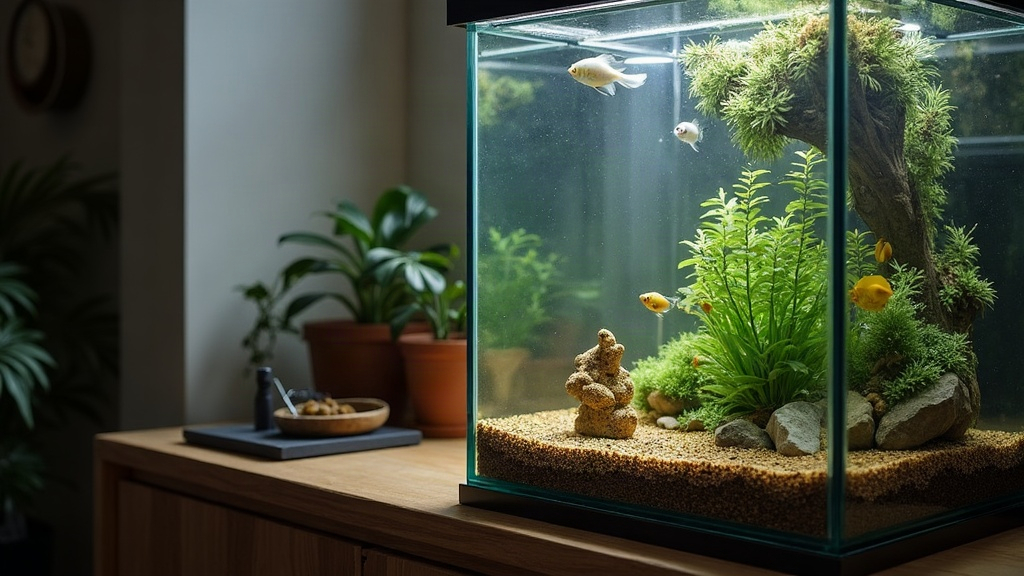
If you’ve got a 10-gallon tank in an apartment with leaky windows or icy floors, winter can turn that aquarium into a temperature rollercoaster. The short answer: most 10-gallon setups do fine with a 50-watt heater, but in a genuinely drafty room where temps drop into the 50s°F (10-15°C) overnight, you’ll often need 75 watts, or two smaller heaters working together, to hold your water steady at 76-80°F.
Why Standard Wattage Charts Fail in Drafty Apartments
Most heater boxes and pet store charts lean on a simple rule of thumb: 3-5 watts per gallon. Do the math for a 10-gallon tank and you land at 30-50 watts, which assumes a room sitting comfortably around 68-72°F all year.
Drafty apartments blow that assumption apart. A few common culprits:
- Windows and sliding doors that leak cold air, dropping room temps 10-15°F overnight
- Uninsulated exterior walls, especially in older buildings or units sitting above an unheated garage
- Thermostats dialed down to 62-65°F to save on the heating bill while you sleep or work
- Tanks parked near windows for the natural light, which cools the water straight through the glass
When the room swings or drops hard, your heater has to grind a lot harder than any generic chart ever accounted for.
How to Size Your Heater Correctly
Step 1: Know Your Coldest Room Temperature
Don’t size based on what your thermostat says. Size for the coldest it actually gets at 3 a.m. Grab a cheap room thermometer, set it near the tank, and check it over a few winter nights. If it’s dipping to 55-60°F, you need more muscle than the standard chart gives you credit for.
Step 2: Use the Temperature Differential Rule
Here’s a better formula: for every 10°F gap between your coldest room temp and your target tank temp, add roughly 25-30 watts per 10 gallons.
Example calculations for a 10-gallon tank:
| Room Low (°F) | Target Temp | Recommended Wattage |
|---|---|---|
| 68°F | 78°F | 25-50W |
| 60°F | 78°F | 50-75W |
| 55°F | 78°F | 75-100W |
If your apartment regularly dips below 55°F overnight, it’s worth asking whether a 10-gallon tank even makes sense in that spot. Smaller volumes of water lose heat much faster than larger ones do.
Step 3: Consider Running Two Smaller Heaters
Instead of one 75-100W unit, plenty of experienced keepers in cold climates split the job: two 25-50W heaters at opposite ends of the tank. Why bother?
- Redundancy. If one fails (stuck on or stuck off), the other one limits the damage.
- Even heat distribution. Less of a gradient from one side of the tank to the other.
- Faster failure detection. A sudden, unexplained temp swing flags trouble sooner.
Placement Matters as Much as Wattage
Even a strong heater struggles if it’s stuck in a bad spot:
- Don’t put the heater against the tank wall closest to a window. It’ll spend all its energy fighting direct cold transfer instead of warming the tank.
- Position it near the filter outflow so the heated water actually circulates instead of pooling into hot and cold pockets.
- Pull the whole tank back from exterior walls and windows if you can. Even 2-3 feet makes a real dent in heat loss.
- Put a lid on it. Open tops bleed heat fast through evaporation, and winter apartment air is usually bone dry, which makes it worse.
Backup Protection for Power Outages or Heater Failure
Drafty apartments plus a winter storm equals the risk of power blips. Protect your fish with:
- A battery-powered or digital thermometer with an alarm function
- A thermal tank cover or towel wrap (kept clear of heating elements) for emergency insulation if the power goes out
- A spare heater sitting in a drawer somewhere. Cheap insurance against a sudden failure on the coldest night of the year.
Common Mistakes to Avoid
- Trusting gallon-only charts and ignoring room temperature entirely
- Placing the heater’s thermostat sensor right against the glass, which skews the readings
- Skipping a second thermometer. Heater dials are commonly off by 2-4°F, sometimes more.
- Overcorrecting after one cold night, cranking the heat up, then forgetting to dial it back once temps rise
Conclusion
Running a 10-gallon tank in a drafty apartment means tossing out the generic wattage chart. Measure your room’s actual coldest temperature, size using the differential rule (about 25-30 watts per 10°F gap per 10 gallons), and think about splitting the load across two heaters for safety and better heat distribution. Pair smart placement, away from windows and drafts, with a thermometer you actually trust, and your fish will stay warm no matter how brutal the apartment gets this winter.