How to Set Up a Silent Sponge Filter for a 5-Gallon Betta Tank
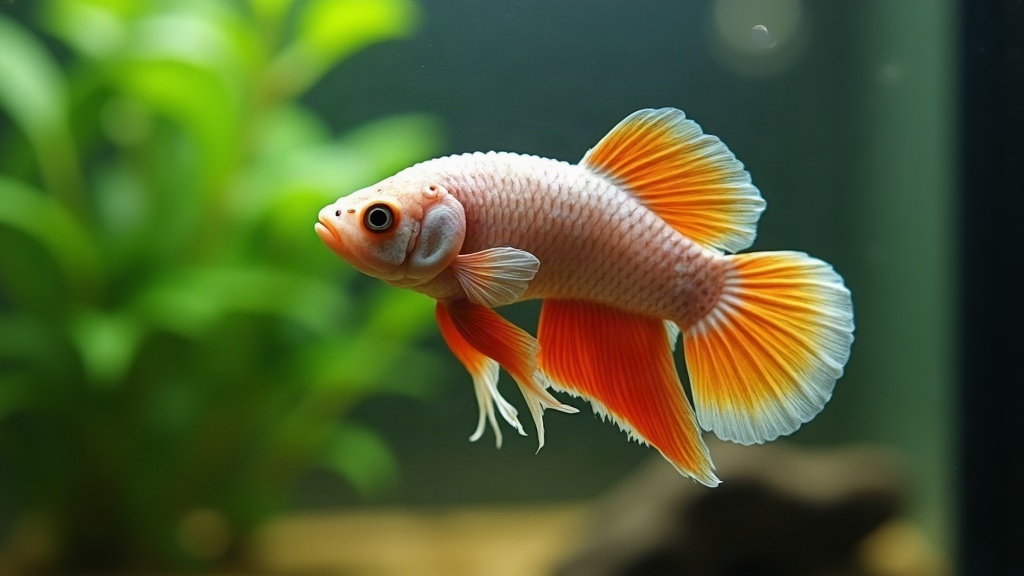
A silent sponge filter is one of the safest, most effective ways to filter a 5-gallon betta tank. It gives you gentle water movement, real biological filtration, and a bit of extra oxygen, all without turning your betta into a leaf tumbling down a stream. The trick is picking a small filter, running an adjustable air pump, and taking a few extra minutes during setup to kill the bubbling and vibration noise.
Why a Sponge Filter Works Well for Bettas
Bettas evolved in shallow rice paddies and slow-moving water, so they’re just not built for strong currents. Push them around too much and they’ll struggle to swim, hide in a corner all day, or sit exhausted near the bottom. A sponge filter runs off an air pump rather than a motor, which means the flow is naturally soft and easy to dial back.
It also does double duty:
- Mechanical filtration: the sponge traps loose debris, uneaten pellets, and bits of plant matter.
- Biological filtration: beneficial bacteria colonize the sponge and turn ammonia and nitrite into much less toxic nitrate.
- Gentle aeration: the rising bubble column stirs the surface just enough to keep oxygen exchange going.
For one betta in a properly cycled 5-gallon tank, a small sponge filter is plenty, as long as you’re still doing regular partial water changes on top of it.
What You Need
Round up these supplies before you start:
- A small nano sponge filter rated for 5 to 10 gallons
- An adjustable air pump sized for a small tank (don’t grab the one meant for a 55-gallon setup)
- Standard aquarium airline tubing
- An air control valve or gang valve
- A check valve
- A small airstone, if your particular filter design calls for one
- Suction cups or clips to keep the tubing in place
- A towel or foam pad to muffle pump vibration
Skip oversized sponge filters and powerful pumps unless you can throttle the airflow way down. In a 5-gallon tank, less is genuinely more here.
Step-by-Step Silent Sponge Filter Setup
1. Rinse the Sponge Filter
Rinse the sponge and all the plastic parts under clean, dechlorinated water. No soap, no detergent, no household cleaners of any kind, even a trace amount can poison a fish this small.
If the sponge feels dusty or gritty straight out of the packaging, squeeze it a few times underwater until the water runs clear instead of cloudy.
2. Assemble the Filter
Most nano sponge filters break down into three parts: a weighted base, the sponge body, and a lift tube. Push everything together firmly, following whatever layout the manufacturer built into the product.
If there’s a slot for an airstone, drop it in before you attach the tube. An airstone breaks the air into finer bubbles, which quiets the whole thing down and actually pulls water through the sponge more evenly.
3. Connect the Airline Tubing
Cut a piece of tubing long enough to reach from the pump to the filter with some slack, don’t pull it taut.
The order matters here:
- Air pump
- Airline tubing
- Check valve
- Air control valve
- Sponge filter
Don’t skip the check valve. If your power goes out, it’s the only thing stopping tank water from siphoning backward through the line and ending up on your floor.
Double-check that the arrow printed on the check valve points toward the aquarium, not away from it.
4. Place the Air Pump Above the Waterline
The safest, quietest spot is above the water level, on a shelf behind the tank, for example. It cuts the risk of back-siphoning and, honestly, it’s just easier to reach when you need to adjust it at 11pm because your betta looks stressed.
If the pump absolutely has to sit below the tank, keep that check valve in and check it often. Set the pump on a folded towel, a silicone mat, or a scrap of foam so it doesn’t buzz against the shelf or wall.
5. Position the Sponge Filter
Tuck the filter into a back corner. It stays out of sight while still circulating water gently around the whole tank.
Keep the lift tube’s outlet at or just below the surface. Let it poke up too high and splash, and you’ll get extra noise plus water evaporating faster than you’d like.
In a planted tank, angle it away from delicate leaves and away from wherever your betta likes to nap.
6. Turn On the Pump and Adjust the Flow
Plug in the pump and crack the air control valve open slowly. Start low, you can always add more.
What you’re after is a steady stream of small bubbles and just a slight ripple on the surface, not a rolling boil. Then sit and watch your betta for a few minutes.
Signs the flow is still too strong:
- He avoids the side of the tank near the filter
- He gets shoved around trying to swim past the bubbles
- He struggles to reach the surface for a breath
- His fins clamp tight, or he just looks generally stressed
- He’s hiding way more than usual since the filter went in
If you see any of that, back off the airflow until he can swim wherever he wants without a fight.
How to Make a Sponge Filter Even Quieter
The sponge itself barely makes a sound. Almost all the noise you’ll hear traces back to the air pump, a vibrating length of tubing, or bubbles popping loudly right at the surface.
A few fixes that actually work:
- Sit the pump on foam, a mouse pad, or a folded towel.
- Keep it from touching the stand or the wall behind the tank.
- Swap in a longer piece of soft tubing so there’s no tension pulling on it.
- Lower the outlet a bit so bubbles break underwater instead of above it.
- Add an airstone for finer, softer bubbles.
- If the pump is old and rattly, clean or replace the diaphragm inside.
- Make sure the sponge filter isn’t resting against the glass.
Hear a ticking noise? Check the tubing and valves first. A check valve that’s slightly loose, or a stiff piece of tubing tapping against the glass, can make a racket way out of proportion to how small it is.
Cleaning and Maintenance
Clean the sponge every two to four weeks, or sooner if you notice the bubble flow getting weak. Never, ever rinse it under the tap, chlorine will wipe out the bacteria colony you’ve been growing in there.
Do this instead:
- Pull out a bucket of tank water during your next water change.
- Remove the sponge filter from the tank.
- Squeeze the sponge gently, several times, in that same old tank water.
- Put it back and restart the pump.
Don’t expect it to look pristine. A little discoloration is normal, and it’s actually a sign the biological filter is doing its job.
For a 5-gallon betta tank, aim for about 25% to 35% of the water changed weekly, adjusting a bit depending on feeding habits, plants, and what your test kit tells you. Test ammonia and nitrite regularly, especially while the tank is still new.
Conclusion
Setting up a silent sponge filter in a 5-gallon betta tank really isn’t complicated: go nano-sized, keep the airflow low, and isolate the pump from anything it could vibrate against. Do that, plus stay on top of water changes, and your betta gets clean water without fighting a current or living next to a noisy air pump.