Traveling With a Cockatiel by Car: Safe Carrier Setup Guide
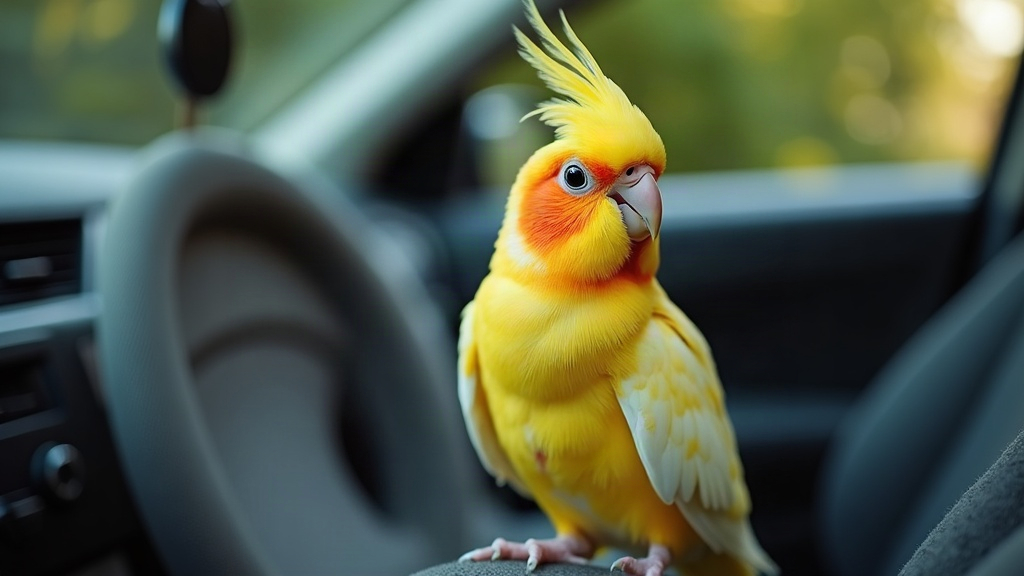
Traveling with a cockatiel by car for a weekend trip? Totally doable, as long as you set up a secure, well-ventilated carrier and plan your stops with some care. The main goal is keeping stress low, avoiding temperature swings, and making sure your bird stays physically stable the whole ride. Here’s a practical guide built from real experience, not guesswork.
Why Car Travel Is Different for Cockatiels
Cockatiels are prey animals at heart. Unfamiliar motion, engine noise, changing light through the windows… all of it can spike anxiety, even in a bird that’s calm and hand-tamed at home. Unlike a dog or cat, you can’t just clip on a harness and call it done. A cockatiel needs a rigid, escape-proof carrier, one that also cushions against sudden stops and road vibration.
Here’s the encouraging part: most cockatiels adjust fine to shorter trips (say, 1 to 4 hours) once they’ve gotten used to the carrier itself. Honestly, the setup matters way more than how far you’re actually going.
Choosing the Right Carrier
Look for:
- Hard-sided plastic or acrylic bird carriers with latching doors that actually lock securely. Skip the soft mesh carriers made for cats and dogs; they offer zero impact protection and can trap a foot or toe.
- Ventilation on at least two sides, not just a vent on top. Airflow needs to move through, not just hover near the lid.
- A carrier sized right: small enough to wedge in place or belt down, tall enough that the bird can stand and turn without smacking its tail against the roof.
- Non-slip flooring or a stable perch. A smooth, slick floor during braking sends a bird sliding, and a sliding bird panics fast.
Plenty of owners go with compact travel cages that have a carry handle and front-loading door. Others repurpose small critter carriers and just add a perch.
Setting Up the Carrier for the Drive
- Pull out any swinging toys or mirrors. In a sudden stop, they turn into small projectiles flying around the carrier.
- Add a low, stable perch. A flat wooden dowel works better than a swing for this. Or skip the perch altogether and line the floor with a thin non-slip mat, topped with paper towel for easy cleanup.
- Cover three sides with a light, breathable cloth. Leave one side open so your bird has a visual anchor and doesn’t feel totally cut off, but shield it from direct sun and window drafts.
- Secure the carrier with a seatbelt, or wedge it in the footwell behind the front seat. Never the front seat near an airbag. Never loose in an SUV’s open trunk area either.
- Keep it clear of air vents, heat or A/C both. Cockatiels regulate body temperature very differently than we do, and a blast of cold or hot air can affect them faster than you’d expect.
Food, Water, and Temperature Management
- Skip the loose water dish, it’ll spill within the first sharp turn. A clip-on travel water bottle, or a gel-based hydration source, works much better for anything under a few hours.
- Offer a small portion of familiar pellets or seed, clipped to the carrier wall in a little cup so it doesn’t tip.
- Never, ever leave a cockatiel in a parked car, not even for five minutes, not even with the windows cracked. Car interiors climb in temperature shockingly fast, and a cockatiel can overheat well before a human would even notice something’s wrong.
- Try to keep the carrier’s internal temperature somewhere between 65 and 80°F (18 to 27°C). A small portable fan or a shade cloth over part of the carrier helps a lot on warm days.
Managing Stops and Breaks
- Check in every 1 to 2 hours, but resist the urge to open the carrier at a rest stop. A startled cockatiel can be gone in literally two seconds outdoors.
- Need to offer food or water mid-trip? Do it inside the closed car, or in a bathroom with the door shut. Not out in an open parking lot.
- Keep the noise level down. A blasting radio or a slammed door right next to the carrier can spike stress hormones fast.
Pre-Trip Practice Runs
Before committing to a full weekend trip, run 2 to 3 short test drives, 15 to 30 minutes each, just around the neighborhood. Watch for:
- Excessive fluffing or panting (a sign of overheating or stress)
- Repeated wing-flapping against the carrier walls (means the setup needs to be calmer, maybe more covering)
- A quiet, relaxed posture with normal preening (this is the green light, your setup is working)
This trial period gives you room to adjust ventilation, covering, and carrier placement before the actual trip starts.
Conclusion
A weekend car trip with a cockatiel is completely manageable once you’ve got the right carrier, secure placement, and a decent handle on temperature and stress cues. Go hard-sided, well-ventilated, secure it properly, and test the whole setup with a few short practice drives first. Put in a little prep work upfront, and your cockatiel can ride just as comfortably as you do.