Best Substrate Mix for Kenyan Sand Boas (Humidity Guide)
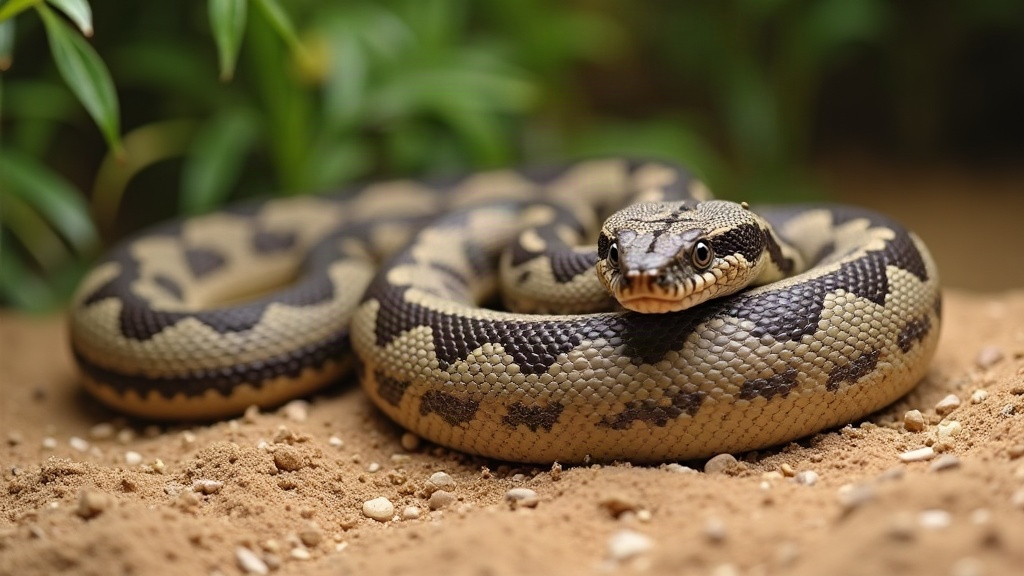
Why Kenyan Sand Boas Need a Humidity Gradient
Kenyan sand boas don’t want a swampy enclosure. These are desert burrowers, built for dry ground, and if you keep the whole habitat damp you’re asking for trouble: skin issues, respiratory irritation, mold creeping into corners, bacteria building up in the substrate—none of which is good for a reptile adjusting to its environment.
What actually works is a gradient, not uniform moisture:
- Dry side: Loose, dry substrate for burrowing and basking.
- Humid side: Slightly damp substrate or a humid hide.
- Overall humidity: Roughly 30% to 50%, bumped up a bit only when the snake is shedding.
Think of it as giving the boa options. It can dig into dry, warm sand when that’s what it wants, or head over to the damper patch if its body needs more moisture. The snake makes the call, not you.
The Best Humidity Substrate Mix
For most Kenyan sand boa setups, this ratio works well:
- 60% organic topsoil
- 30% washed play sand
- 10% coconut fiber
Stick to plain organic topsoil with no fertilizer added. Skip anything with perlite, vermiculite, pesticides, manure, or those little moisture crystals some bagged soils include, they’re not doing your snake any favors. The washed play sand keeps things loose enough for burrowing, closer to what these animals dig through in the wild. Coconut fiber is the moisture-holder here; a small amount goes a long way on the humid end.
How to Use This Mix Correctly
Don’t soak the whole substrate layer, that’s a common mistake. Mix it dry, spread it across the enclosure, then dampen just one corner, or the patch under a humid hide.
A good test: squeeze a handful of the moist mix. It should hold together briefly, then crumble apart on its own. If water drips out when you squeeze it, it’s too wet. Back off.
Depth matters more than people think. Give an adult at least 3 to 5 inches of substrate, and if your enclosure can handle it, go deeper, 5 to 6 inches is even better. Sand boas spend most of their day underground, so a shallow layer basically defeats the point of keeping one.
A Simpler Option for Beginners
Not everyone wants to mix soil ratios by hand, and that’s fine. A two-zone setup works just as well:
- Dry zone: Aspen shavings or a dry soil-and-sand blend.
- Humid hide zone: Damp sphagnum moss or damp coconut fiber tucked inside a secure hide.
This version is easier to keep an eye on because the moisture stays put, it’s not spread thin across the whole tank. It’s especially handy during shedding, or if you’re raising a younger snake that needs a bit more monitoring.
Peek in on the humid hide every few days. If the moss or fiber starts smelling sour, or you spot mold, swap it out right away. Don’t let it sit.
Substrates to Avoid
Just because something’s labeled “reptile substrate” at the pet store doesn’t mean it belongs in a sand boa tank.
Avoid These Materials
- Calcium sand: Clumps badly when wet, and there’s no nutritional reason to use it anyway.
- Crushed walnut shell: Dusty, sharp-edged, rough on delicate skin.
- Cedar or pine shavings: The aromatic oils in these woods are genuinely harmful to reptiles.
- Coconut fiber kept wet everywhere: Fine in a small humid patch, a problem when it’s damp across the whole enclosure.
- Fine, dusty sand on its own: Kicks up airborne dust and doesn’t hold moisture in any useful, controlled way.
Pure sand isn’t necessarily dangerous if everything else in the setup is dialed in, but it leaves less room for error than a soil-sand blend does. A mixed substrate holds tunnel shape better, burrows more naturally, and makes it easier to keep that humidity gradient intact.
How to Monitor Moisture Levels
A digital hygrometer helps, sure, but don’t rely on it alone, check the substrate with your own hands too. Place the hygrometer somewhere near the middle of the tank, not right next to the water bowl or the humid hide, or you’ll get a skewed reading.
Too dry usually shows up as:
- Retained shed around the tail tip or eyes
- Skin that looks flaky or dull before a shed
- Stool that’s very hard and dry
- The snake soaking in its water bowl more than usual
Too wet tends to look like:
- Condensation fogging up the glass
- Bedding that’s damp everywhere, not just one spot
- A musty smell you notice when you open the lid
- Visible mold
- Red, irritated, or blistered scales on the belly
If things get too wet, pull the damp substrate, boost ventilation, and let the enclosure dry out fully before putting the snake back in that section.
Humidity During Shedding
Right before a shed, most sand boas appreciate a slightly moister retreat. You’ll usually see the tell-tale signs first anyway: duller skin, less activity than normal, eyes turning cloudy or blue.
During this window, keep the humid hide stocked and make sure the substrate underneath stays lightly damp, nothing more. There’s no need to mist the whole tank daily, and honestly, over-misting tends to cause more problems (mold, bacteria) than it solves.
Once the shed comes off, take a look at it. If it’s in one piece, eye caps and tail tip included, that’s a solid sign your hydration and humidity setup is doing its job.
Cleaning and Replacing the Mix
Spot-clean the moment you see waste, don’t let it sit. Scoop out soiled substrate around feces or urates and top it off with fresh dry mix.
For a typical non-bioactive setup:
- Spot-clean weekly, or sooner if needed.
- Swap the humid-hide material out every one to two weeks.
- Replace the entire substrate every one to three months, depending on how big the enclosure is and how quickly things get dirty.
- Wash and disinfect the empty enclosure before putting fresh substrate back in.
Honestly, keeping things clean and dry matters more day to day than chasing an exact humidity number on a gauge.
Conclusion
The best humidity substrate mix for a Kenyan sand boa is mostly dry, burrow-friendly soil and sand, with just a small pocket of moisture-holding material on one end. A blend of 60% organic topsoil, 30% play sand, and 10% coconut fiber gives your snake plenty of room to dig and tunnel naturally, while still offering a safe, contained humid zone for shedding and staying hydrated.