Why Is My Leopard Gecko Refusing Food After a Tank Upgrade?
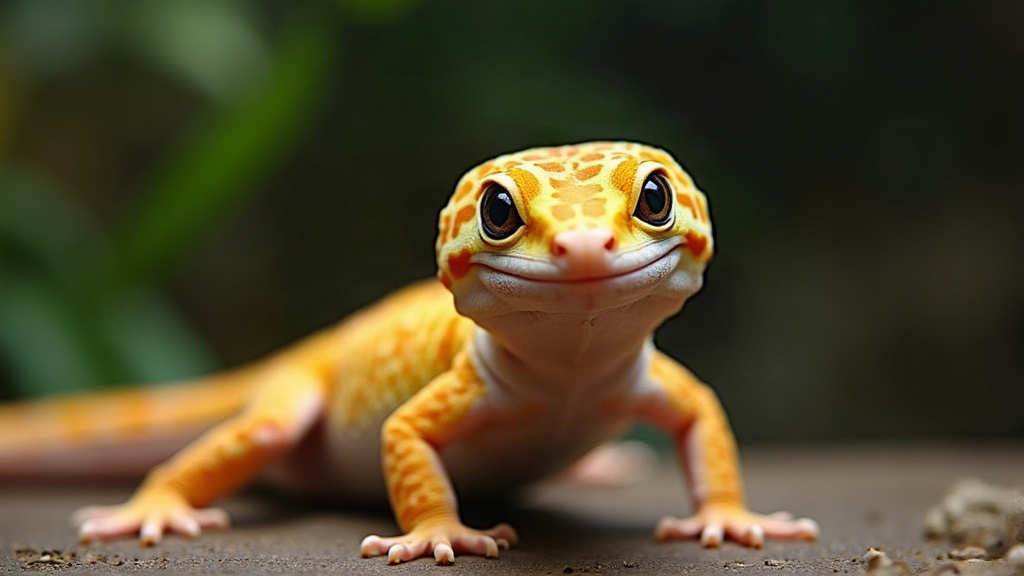
If your leopard gecko suddenly stops eating right after you move it into a shiny new tank, don’t panic. Nine times out of ten this is stress, not sickness. A new setup, even one that’s objectively an upgrade, can throw a gecko’s whole sense of security out the window. Give it a week or two to settle in and the appetite usually comes right back.
Why Tank Upgrades Trigger Appetite Loss
Leopard geckos are creatures of habit, almost stubbornly so. Swap out their world for a bigger, nicer one and to them it doesn’t read as “better,” it reads as “unknown.” A few things commonly set off this reaction:
- Unfamiliar scent profile - fresh substrate, new decor, even leftover glass cleaner residue can wipe out the scent markers your gecko relied on to feel at home.
- Different hide placement - put a hide in the wrong spot relative to the heat zones and your gecko will feel exposed instead of tucked away safely.
- Temperature or humidity shifts - a 40-gallon tank doesn’t hold heat the same way a 10-gallon does. That shift in gradient can mess with digestion and, by extension, hunger.
- Too much open space - jumping from a small enclosure to a much larger one can feel less like freedom and more like standing in the middle of an open field with nowhere to hide.
- Lighting changes - a new UVB fixture or brighter overhead light can make a gecko feel more exposed to predators, even if there are none around.
None of this is automatically a red flag. If your gecko is still alert, moving around at night, and its tail still has a healthy, plump look, you’re most likely just watching a normal adjustment period play out.
Step-by-Step: How to Get Your Gecko Eating Again
1. Recheck the Thermal Gradient
Grab a digital probe thermometer (skip the stick-on strips, they’re notoriously inaccurate) and check these numbers directly on the floor of the tank:
- Warm side floor temp: 88-92°F (31-33°C)
- Cool side floor temp: 75-80°F (24-27°C)
- Nighttime drop: no lower than 68°F (20°C)
Appetite in leopard geckos is tied almost directly to temperature. If the warm hide is even a few degrees off, digestion slows down and the hunger signal basically switches off.
2. Add More Hides, Not Fewer
A freshly upgraded tank needs, at minimum:
- One warm hide
- One cool hide
- One humid hide (for shedding)
Beyond that, toss in some extra cover like cork bark, a few plants, or a half-log or two. These little visual barriers cut down on that “open field” feeling that tends to kill appetite in bigger enclosures.
3. Give It Time Before Panicking
Most leopard geckos start eating again within 3 to 10 days of a big habitat overhaul. If your gecko is on the more sensitive side, or if it also dealt with a car ride, shipping, or a move around the same time, stretch that window to about two weeks before you worry.
4. Minimize Handling Temporarily
I get it, it’s tempting to pick your gecko up just to make sure it’s okay. Don’t. Cutting back on handling for 5 to 7 days gives it room to settle into the new smells and layout without extra stress piled on top.
5. Offer Food at the Right Time
Leopard geckos are crepuscular, meaning they’re wired to be active at dusk, not noon. Put food out, crickets, mealworms, dubia roaches, whatever your gecko normally eats, about 30 to 60 minutes after the lights go off. Use feeding tongs or a shallow dish set near the warm hide.
When Food Refusal Is NOT Just Stress
Call a reptile vet if you spot any of these:
- Weight loss or a tail that’s visibly thinning
- Lethargy during hours it should normally be active
- No eating at all for more than 3 weeks
- Sunken eyes or other signs of dehydration
- Refusing water on top of refusing food
Any of these can point to impaction, parasites, or metabolic bone disease, none of which have anything to do with the new tank itself.
Quick Troubleshooting Checklist
- ✅ Warm hide floor temp 88-92°F
- ✅ At least 3 hides available
- ✅ Humidity 30-40% (higher in the humid hide)
- ✅ Minimal handling for the first week
- ✅ Feeding offered at dusk or after dark
- ✅ Tail still plump, gecko active at night
Conclusion
A leopard gecko that stops eating after a tank upgrade is, in the vast majority of cases, just working through a stress response to new smells, a new layout, or a shifted temperature gradient. It’s not a medical emergency waiting to happen. Check your thermal zones, add a couple more hiding spots, back off on the handling, and feed at dusk. Most geckos are back to their normal appetite within one to two weeks. If the refusal drags past three weeks, or shows up alongside weight loss or lethargy, that’s your cue to get a reptile vet involved rather than wait it out further.