How to Identify and Treat Stress Marks on a Crested Gecko's Tail
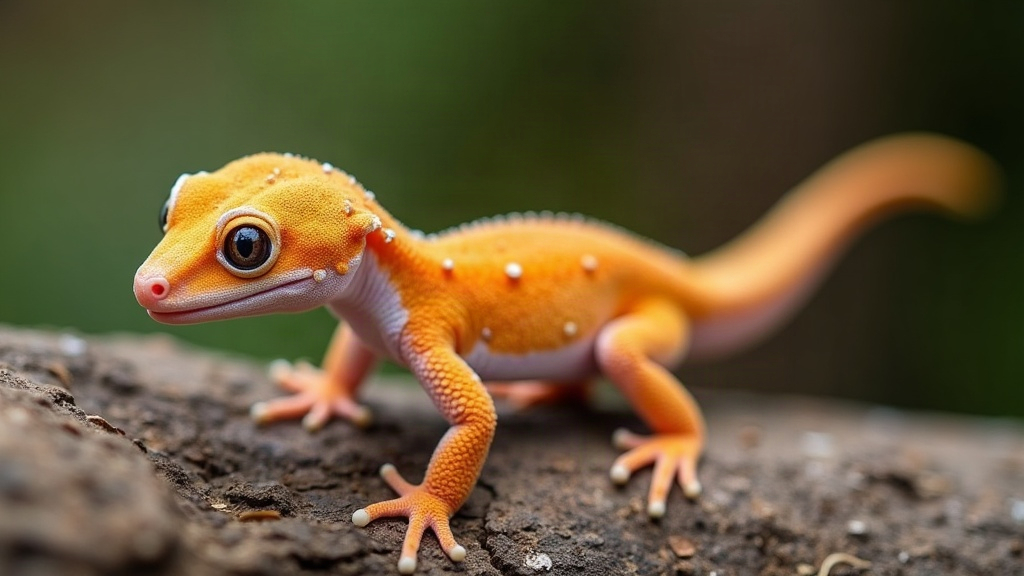
Stress Marks on a Crested Gecko’s Tail: What They Mean and What to Do
Stress marks are those dark, irregular blotches or stripes that pop up on a crested gecko’s tail when it’s anxious, overwhelmed, or just plain uncomfortable with something in its surroundings. They’re normal, but you shouldn’t wave them off either. This guide walks through how to spot them, what usually causes them, and how to get your gecko settled so its regular coloring comes back.
What Do Stress Marks Actually Look Like?
Stress marks typically show up as:
- Darkened bands or blotches running along the tail, sometimes creeping onto the back
- Contrasting patches that look duller or grayer than the gecko’s usual base color
- Sudden appearance, often within minutes of handling, a new environment, or a scare
- Symmetrical or patchy patterns, unlike natural morph markings, which tend to stay consistent and don’t flicker in and out
Here’s where people get tripped up: crested geckos naturally shift between a “fired up” state (darker, more saturated) and “fired down” (pale, washed-out), especially at night or when they’re active. That’s not the same thing. Stress marks are localized dark patches, specifically on the tail and body, that appear as a direct reaction to something happening around them, not a general mood or lighting-related color shift.
Common Causes of Stress Marks
1. Handling Too Soon or Too Often
A gecko that’s new to your home, or one that just isn’t used to being picked up, will often mark up after a handling session. Juveniles especially, they’re jumpier and more reactive to touch than adults.
2. Enclosure Changes
Moved a plant around? Swapped the substrate? Shifted the whole terrarium to a different shelf? Any of these can throw a gecko off for several days while it re-orients itself.
3. Improper Temperature or Humidity
Crested geckos do best between 72–78°F (22–26°C) with humidity sitting around 50–80%. Once temps climb past 82°F, heat stress kicks in, and tail marking is one of the first things you’ll notice.
4. Poor Lighting Setup
These animals are nocturnal or crepuscular by nature, so a tank that’s too bright, with no real hides or plant cover to duck into, leaves them feeling completely exposed. Imagine sleeping with the lights on and no blanket. Not fun.
5. Overcrowding or Incompatible Tank Mates
Cresties are loners by instinct. Cramming two or more into one enclosure, especially males, is basically a recipe for chronic stress marking. It doesn’t take a fight to cause it either; just sharing space can be enough.
6. Loud Noise or Vibration
A tank parked next to a subwoofer, a TV stand, or a hallway with constant foot traffic keeps a gecko on edge around the clock, even if nothing dramatic ever happens near it.
How to Tell Stress Marks Apart From Illness
This is where a lot of keepers second-guess themselves. On their own, stress marks aren’t an emergency. But paired with other symptoms, they can signal something bigger going on. Keep an eye out for:
- Lethargy or refusing food for more than a week
- Sunken eyes or wrinkled skin (classic dehydration signs)
- Discoloration that sticks around longer than 24-48 hours even in calm conditions
- Visible injuries near the base of the tail
If the marks won’t quit after several days in a calm, stable setup, it’s time for a vet visit to rule out parasites, a respiratory infection, or metabolic bone disease.
Step-by-Step: Treating and Preventing Stress Marks
- Give it time and space. Just moved your gecko to a new home or reworked its enclosure? Skip handling for 5-7 days. Let it explore and settle in on its own clock, not yours.
- Check your temps and humidity with an actual digital thermometer and hygrometer. Those cheap analog dial gauges you see at the pet store? Notoriously unreliable, don’t trust them.
- Add more visual security. Thick plant cover (real or fake, pothos and ficus work great) plus multiple hides go a long way toward making a gecko feel less like it’s out in the open.
- Reduce handling frequency. Start small, 5-minute sessions once or twice a week, and let the gecko walk onto your hand rather than reaching in and grabbing it.
- Relocate the tank away from speakers, doorways, or anywhere with heavy foot traffic.
- House geckos separately, unless you’re a breeder with the experience to closely monitor how they’re interacting.
- Lock in a consistent light/dark cycle, 12 hours on, 12 hours off, using timers so lighting shifts never catch the gecko off guard.
When Stress Marks Should Fade
If your setup is solid and the stress was a one-off (a vet trip, a brief handling session), the marks usually fade within a few hours, maybe up to two days. If they never fully clear, that’s a signal something ongoing is wrong, usually the wrong temperature range, not enough hiding spots, or handling that’s happening too often.
Conclusion
Stress marks are your gecko’s way of talking to you, not a diagnosis. Run through the basics: temperature, humidity, hides, and how often you’re handling it, and you’ll usually spot the trigger fast. If the marks hang around for days despite a calm, well-set-up habitat, get a reptile vet involved to make sure nothing else is going on underneath.