Bioactive vs Paper Towel Substrate for Baby Crested Geckos
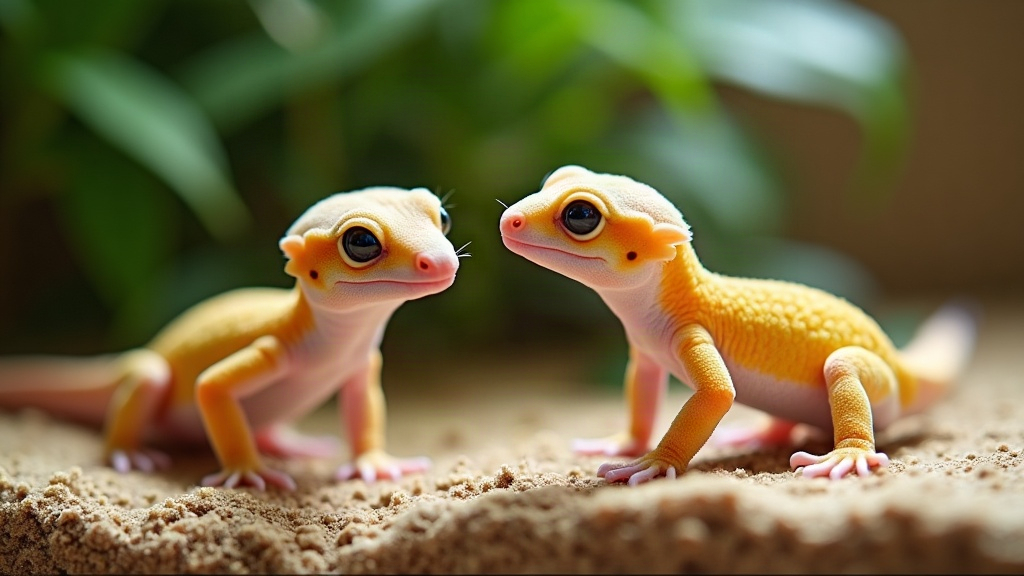
Choosing between bioactive and paper towel substrate for a baby crested gecko really comes down to one trade-off: paper towel gives you maximum hygiene control and simplicity while your hatchling is still fragile, while bioactive setups pay off later with stable humidity and a more natural environment once the gecko is established. Most experienced keepers start hatchlings on paper towel and switch over to bioactive somewhere between 3 and 6 months in.
Why Substrate Choice Matters for Hatchlings
Baby crested geckos (0 to 6 months old) are far more fragile than adults, and substrate plays into several of the biggest risks they face:
- Impaction from accidentally swallowing loose substrate while lunging at insects
- Dehydration if humidity swings too wildly
- Bacterial or fungal issues in setups that stay damp with poor airflow
- Parasite buildup when waste sits too long before being cleaned out
Substrate touches all four of these risks directly. That’s exactly why it’s usually the first real decision a new keeper has to make.
Paper Towel Substrate: Pros and Cons
Paper towel, or unbleached kitchen roll if you want to be picky about dyes, is the go-to “starter” substrate most breeders recommend for geckos under 6 months old.
Advantages
- Zero impaction risk. There’s nothing loose for the gecko to accidentally gulp down.
- Easy to monitor health. You can spot droppings, shed skin, and leftover prey at a glance, every single day.
- Simple to sanitize. Just swap it out. Great during quarantine or right after a health scare.
- Cheap and available everywhere, basically a supermarket run away.
Disadvantages
- Dries out fast. Expect to mist once or twice a day just to keep humidity in range.
- Not much to look at. It won’t win any points if you’re going for a display-worthy enclosure.
- No support for live plants or cleanup crews.
- Needs replacing every 1 to 3 days to keep mold and bacteria from taking hold.
Bioactive Substrate: Pros and Cons
A bioactive setup layers drainage material, a substrate mix (think coco fiber, sphagnum moss, leaf litter), live plants, and a cleanup crew, usually springtails and isopods, that quietly break down waste over time.
Advantages
- Stable humidity. The substrate itself acts like a buffer, so you’re not misting constantly.
- Self-cleaning. The cleanup crew eats waste and mold before it becomes a problem, which cuts your maintenance load noticeably.
- A more natural environment. Climbing, foraging, digging, all the enrichment behaviors geckos actually want to do.
- Better long-term fit for adults, especially in bigger enclosures (18x18x24 inches or larger).
Disadvantages
- Impaction risk for very young geckos who might ingest substrate while chasing prey.
- Takes time to establish. The cleanup crew colony needs several weeks to build up before it’s ready for a gecko.
- Harder to catch health issues early, since droppings can disappear into the substrate.
- More money and more setup time upfront.
What Most Breeders Actually Recommend
- 0 to 3 months old: Paper towel, full stop. Hatchlings are tiny and fragile, and impaction risk is real. Hygiene and daily monitoring matter more than how the tank looks.
- 3 to 6 months old: This is the transition window. Once a gecko is feeding reliably and putting on weight, some keepers make the switch to bioactive.
- 6+ months, juvenile to adult: Bioactive becomes the better long-term option, particularly in an upgraded enclosure with good ventilation and real plants.
Want to go bioactive from day one anyway? There’s a safer middle ground: keep the bioactive substrate but feed insects in a separate dish or feeding container. That one small change removes most of the accidental-ingestion risk while still letting you enjoy the humidity benefits.
Humidity Considerations
Crested geckos do best with humidity cycling somewhere between 50 and 80 percent, with a dry-down period each day. On paper towel, hitting that range means manual misting, often twice daily. Bioactive substrate holds moisture on its own, so once the ecosystem matures you can often drop down to misting once a day or even every other day.
Quick Comparison
| Factor | Paper Towel | Bioactive |
|---|---|---|
| Impaction risk | None | Low-moderate for hatchlings |
| Humidity stability | Manual, less stable | Naturally buffered |
| Maintenance | Daily/every few days | Weekly, self-cleaning |
| Cost | Very low | Higher upfront |
| Best for | 0-3 months | 6+ months |
Conclusion
For a baby crested gecko, paper towel is simply the safer starting point: it’s simple, hygienic, and carries zero impaction risk. Bioactive substrate earns its keep later, once your gecko is older, established, and eating well, bringing steadier humidity and less day-to-day upkeep. If you’re itching to go bioactive early anyway, hedge your bets by feeding insects in a shallow dish rather than tossing them straight onto the substrate. At the end of the day, matching the substrate to your gecko’s age and stage of development is what makes for a calm, thriving setup.