Can Zebra Finches Safely Share a Cage With Society Finches?
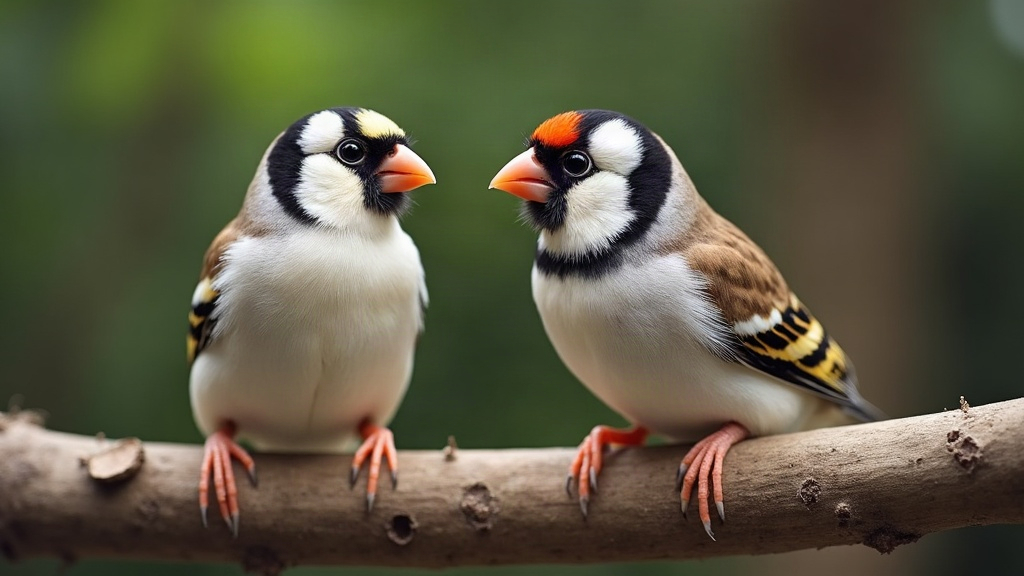
Yes, zebra finches and society finches can usually share a cage without drama, and honestly, this is one of the pairings that tends to work out more often than not. Still, “usually fine” isn’t a guarantee. How well it goes depends a lot on cage size, how many birds you’re dealing with, and whether you’re paying attention to the early warning signs of aggression. Here’s what actually matters before you toss these two species together.
Why This Combination Often Works
Zebra finches and society finches are both small, tough little seed-eaters that do fine in the same climates and want basically the same care: similar diet, similar temperature range, similar energy levels. Society finches, in particular, have a reputation for being unusually mellow. They’re a domesticated hybrid, bred over generations specifically to be gentle, and they’re often used as surrogate parents for other finches’ eggs. That calm streak balances out the zebra finch, which tends to be more wired, more curious, and occasionally a bit pushy.
But “often works” and “always works” are two different things. A lot comes down to individual bird personality, not just what the species is supposed to be like on paper.
Key Factors That Determine Success
1. Cage Size and Layout
A cage that’s too small is probably the single biggest trigger for finch fights. If you’re mixing zebra and society finches, aim for:
- At least 30 x 18 x 18 inches for a group of 4 to 6 small finches (bigger is always better, don’t cut it close)
- Multiple food and water stations, so one bossy bird can’t camp out and control the only dish
- Plenty of perches, branches, and visual breaks (fake leafy plants, dividers) so a lower-ranking bird actually has somewhere to disappear to
- Skip the small “pair cages” made for one couple. Cramped quarters are basically an invitation for territorial behavior.
2. Group Size and Ratio
Don’t do a lone zebra finch with a single society finch pair, or the reverse. Odd numbers, or one bird stuck out on its own, tend to end up as the target. What tends to work better:
- Small flocks, 3 or more of each species
- A reasonably even split of males and females so nobody’s fighting over mates
- Introduce new birds in pairs or small groups at once. Dropping one lone newcomer into an already-bonded flock rarely goes smoothly.
3. Breeding Season Behavior
Come breeding season, zebra finches get noticeably edgier and more territorial, especially around nest boxes. If you’re not actually trying to breed them:
- Cut back on nest boxes, or pull them altogether, to reduce what they’re fighting over
- Keep a closer eye on things in spring and summer, when hormones are running high
- If one bird turns into a repeat offender, pull it and separate it. Don’t wait it out hoping it’ll settle.
Warning Signs to Watch For
Even a species pairing that’s “supposed” to get along can go sideways with the wrong individuals. Keep an eye out for:
- Chasing that goes on well past a few seconds, not just a quick scuffle
- Bald patches or plucked feathers on one particular bird
- A bird that’s consistently kept away from the food or water dish
- One finch hunched in a corner, avoiding meals
- Visible injuries around the beak, feet, or eyes
Occasional squabbling is normal in any flock, that’s just birds being birds. But if you’re seeing the same bird targeted over and over, pull the aggressor out right away and think seriously about a permanent split.
Tips for a Smooth Introduction
- Quarantine first. Give new birds 2 to 4 weeks on their own before letting them near the flock, just to rule out anything contagious.
- Introduce on neutral ground. Where you can, move both groups into a fresh or rearranged cage together instead of tossing newcomers into a space one bird already thinks of as its own.
- Add extra perches and hiding spots for the first week or so, to give everyone an escape route.
- Don’t skimp on food. Multiple dishes matter here, because a hungry bird is a more aggressive bird.
- Watch first, relax later. Spend the first several days actually observing before you feel comfortable leaving them alone for long stretches.
What About Breeding Concerns?
Here’s a detail worth knowing: society finches are sometimes deliberately used to foster zebra finch eggs, and in a mixed cage, that kind of cross-fostering can just happen on its own. It’s not dangerous or harmful in any way. But if you care about keeping bloodlines straight, or you want each species raising its own chicks, you’ll need to keep an eye on the nests and step in when necessary.
Conclusion
Of the common mixed-cage pairings, zebra and society finches are among the safer bets, thanks to matching care needs and the society finch’s naturally easygoing nature. The rest comes down to basics: enough space, a balanced flock, extra vigilance during breeding season, and a willingness to act fast the moment bullying shows up. Get that right, and you end up with a lively little community that’s genuinely easy to care for and honestly pretty fun to watch.