Can Zebra Finches Eat Fresh Chickweed? Safe Foraging Guide
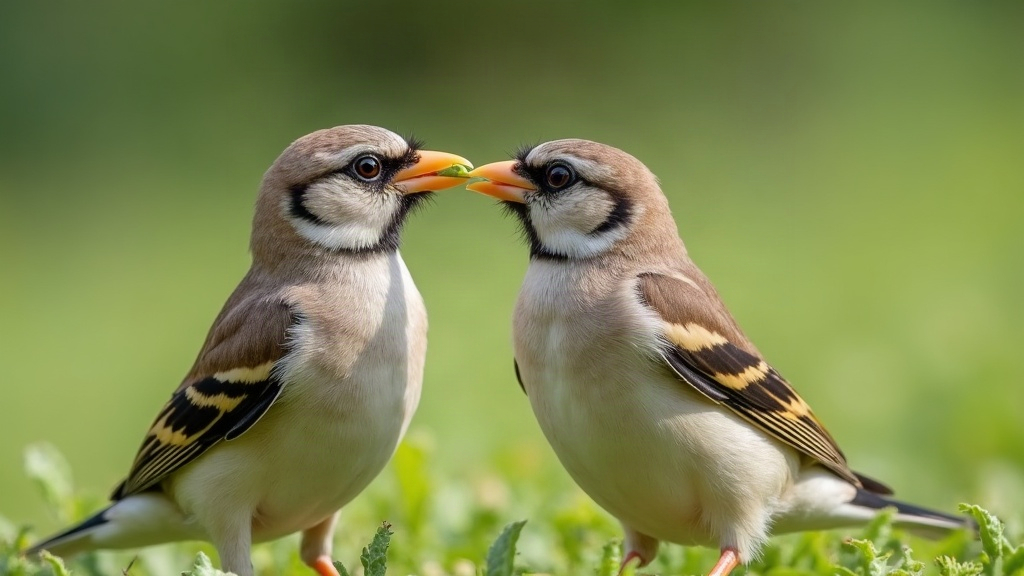
Yes, zebra finches can eat fresh chickweed in small amounts, as long as it’s correctly identified, clean, and free from pesticides or pollution. Common chickweed is a tender, nutrient-rich leafy green that a lot of pet birds seem to enjoy, but safe foraging matters far more than the plant itself. Think of it as a fresh extra on the side, not something that replaces a balanced finch seed mix or formulated diet.
What Is Chickweed?
The chickweed most people mean when talking about birds is common chickweed (Stellaria media). It’s a low-growing annual with small oval leaves, thin wiry stems, and tiny white flowers that look almost star-shaped.
You’ll spot chickweed popping up in gardens, lawns, flowerbeds, and damp shady corners, especially during cooler months. Its soft leaves and stems are easy for a small bird to nibble, which is exactly why it works well for zebra finches when it’s prepared with a bit of care.
Is Fresh Chickweed Healthy for Zebra Finches?
Fresh chickweed can bring some variety, moisture, and natural plant nutrients into a zebra finch’s diet. It’s not going to transform your bird’s health overnight, but as an occasional green rotated with other bird-safe options, it earns its place.
Potential benefits include:
- Hydration: the leaves hold moisture, which can be genuinely helpful in a dry indoor apartment, especially in winter with the heating on.
- Dietary variety: new textures and flavors tend to spark natural foraging instincts.
- Plant nutrients: chickweed carries small amounts of vitamins and minerals typical of leafy greens.
- Enrichment: tearing apart leaves and stems gives an active finch something to do besides sit on a perch all day.
Zebra finches are tiny, so portions stay tiny too. A couple of washed sprigs split between a pair is plenty, no need to overdo it.
How Much Chickweed Can Zebra Finches Eat?
Once or twice a week is a reasonable rhythm, offered as part of a rotating lineup of safe greens. Start small, one or two short sprigs per bird, and just watch how they react before offering more next time.
Too much watery green food at once can lead to loose droppings. That doesn’t necessarily mean the plant is toxic; it often just means the bird took in more moisture than it’s used to. That said, if you notice persistent diarrhea, lethargy, fluffed-up feathers, or a bird that suddenly isn’t eating, don’t shrug it off, call an avian vet.
A simple serving routine looks like this:
- Rinse one or two young chickweed sprigs thoroughly.
- Shake off the excess water.
- Clip them near a perch or drop them into a clean vegetable dish.
- Pull out whatever’s left after two to four hours.
Never let damp greens sit in the cage all day, especially in a warm room, bacteria multiplies fast in that kind of environment.
Safe Identification: Do Not Guess
The real danger with foraged plants isn’t the plant, it’s misidentifying it. Don’t feed something to your birds just because it looks like chickweed in a photo you found online.
Common chickweed has a few tell-tale features worth checking:
- Small, smooth, oval-to-pointed leaves growing in opposite pairs along the stem.
- Delicate green stems, often with a single line of tiny hairs running down just one side (a classic identifier).
- Small white flowers with five petals so deeply split they can look like ten.
- A soft, sprawling, almost mat-like growth habit.
If there’s even a shred of doubt about whether you’re looking at Stellaria media, skip it. Check a reputable local plant guide, ask an experienced forager, or just buy bird-safe greens from a trusted supplier instead. It’s not worth the gamble.
Where Not to Forage Chickweed
Even chickweed you’ve identified perfectly can still be unsafe if it grew in the wrong spot. Plants soak up whatever’s around them, and a quick rinse under the tap won’t strip out chemical residues reliably.
Steer clear of chickweed collected from:
- Lawns treated with herbicides, fertilizers, or pest-control sprays.
- Roadsides, parking lots, and paths that get hit with vehicle exhaust.
- Public parks, unless you actually know their spraying schedule.
- Spots where dogs, cats, livestock, or wildlife regularly pass through.
- Garden beds dosed with slug pellets, insecticides, or weed killer.
- Industrial lots, construction sites, or drainage ditches.
Honestly, the safest route is growing your own in untreated organic potting soil. A shallow tray on a sunny windowsill or a sheltered balcony gives you a controlled, reliable supply without the guesswork.
How to Prepare Chickweed for Your Finches
Keep prep simple and clean. No seasoning, no oil, no vinegar, no human salad dressing, none of that.
Basic Preparation Steps
- Pick out young, healthy leaves and stems.
- Toss anything wilted, damaged, or crawling with insects.
- Rinse under cool running water.
- If soil is clinging to the leaves, let it soak briefly in a bowl of clean water.
- Rinse once more and pat it dry gently.
- Serve fresh, either in a clean dish or clipped to the cage bars.
If it smells musty, feels slimy, or shows any sign of mold, bin it. When in doubt, throw it out, always.
Chickweed Should Not Replace a Complete Diet
Fresh greens are a supplement, not the main event. Zebra finches need a properly balanced daily diet built around a quality finch seed mix or pellets, clean water, and mineral support like cuttlebone.
Rotate chickweed with other bird-safe options such as:
- Romaine lettuce, in small amounts
- Dandelion greens, only from untreated areas
- Broccoli florets
- Grated carrot
- Small pieces of spinach, occasionally
- Fresh herbs like basil or cilantro
Introduce one new food at a time. That way you can actually tell if your bird likes it, and catch any digestive hiccups before they add up.
Can Baby Zebra Finches Eat Chickweed?
Parent birds feeding chicks will sometimes carry small bits of soft greens to the nest, but chickweed still deserves a light touch here. Breeding pairs and growing chicks have real protein, calcium, and energy demands that a leafy green simply can’t cover.
If your pair is breeding, focus on a proper breeding diet first, and talk to an avian vet or an experienced finch breeder before changing anything major in their feeding routine.
Conclusion
Fresh, correctly identified chickweed makes for a safe occasional treat for zebra finches, most of the time. Stick to clean, pesticide-free sprigs, start with a small portion, and clear out any leftovers before they sit too long. Folded into a varied, balanced diet, chickweed adds a bit of enrichment and a genuine taste of fresh greens, nothing more, nothing less.