Choosing the Right Humidity Hide Size for a Juvenile Corn Snake
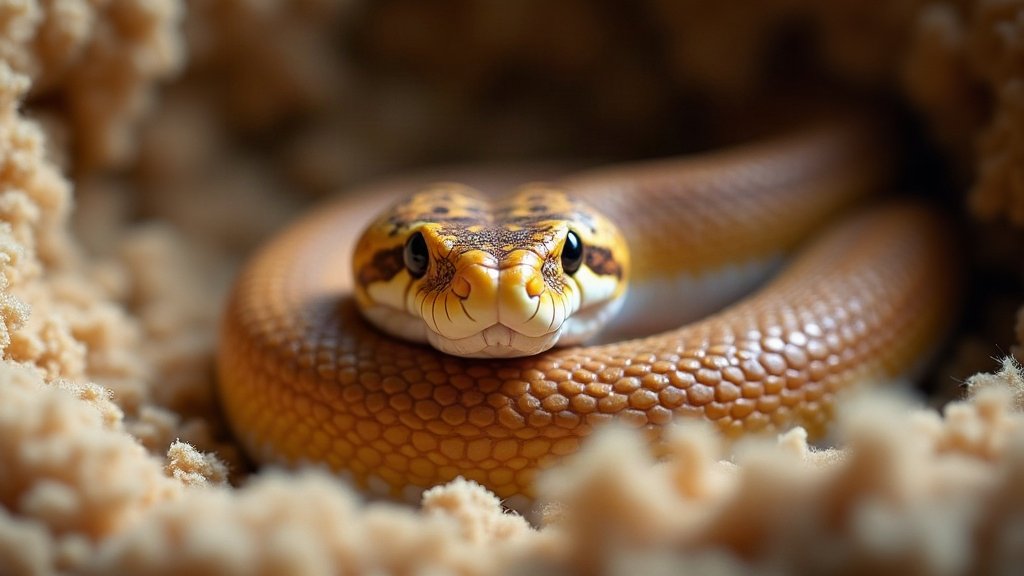
A humidity hide is one of those pieces of equipment that new corn snake keepers tend to shrug off, and that’s a mistake. Size it wrong and you’ll see the consequences fast: a hide that’s too big loses moisture almost as soon as you mist it, while one that’s too small will either stress your snake or just sit there unused because the poor animal can’t squeeze all the way in. Here’s how to actually get it right, from measuring to setup.
Why Juvenile Corn Snakes Need a Humidity Hide
Young corn snakes shed constantly, sometimes every two to three weeks, which is a lot more often than the adults you see slowing down to once every month or two. A humidity hide creates a small pocket of moist air that softens that old, dead layer of skin so it comes off in one clean piece. Skip this step and you’re rolling the dice on dysecdysis, retained shed that likes to hang around the eye caps and tail tip. That stuff doesn’t just look bad. Left alone, it can cause infections or even cut off circulation in the tail.
There’s more to it than shedding, though. A tight, humid hiding spot also:
- Cuts down on stress by giving the snake somewhere genuinely enclosed, not just “covered”
- Mimics the tight burrow spaces corn snakes dig into or hide under in the wild
- Lets the snake curl up fully, which is just… what they want to do when hidden
How to Measure the Right Hide Size
Think of it this way: snug, not spacious. Your snake should be able to coil up with its body actually touching the hide walls on most sides. That contact matters twice over. It makes the snake feel secure, and it traps humidity far better than some cavernous plastic box with a snake rattling around a quarter of it.
Step-by-Step Sizing Guide
- Measure your snake’s length. Most juveniles, from hatchling up to about a year old, fall somewhere between 10 and 20 inches total.
- Coil estimate. A tightly coiled corn snake forms a circle that’s roughly a quarter to a third the diameter of its full stretched-out length. A 16-inch snake, for instance, coils down to something like 4 to 5 inches across.
- Pick a hide with an interior diameter around 3-5 inches for hatchlings, moving up to 5-7 inches as they close in on their first birthday.
- Don’t ignore the entrance hole. It should be just wide enough for the snake to push through. Make it too big and humidity leaks out, plus the snake loses that “I’m hidden” feeling that makes the whole thing work.
Signs Your Hide Is the Wrong Size
- Too small: The snake won’t go near it, can’t fully fit inside, or you keep finding half its body sticking out of the opening.
- Too large: The snake uses it fine, but sheds keep coming out incomplete, or the moss dries out within a day even though you’re misting on schedule.
Best Materials and Types of Humidity Hides
A few styles consistently work well for juveniles:
- Plastic reptile caves/hide boxes — Easy to wipe down, hold moisture nicely, and come in just about every size you’d need.
- Coconut husk half-shells — Look more natural, hold moisture decently, cheap enough to replace often.
- DIY plastic containers — Cut an entry hole into the side of a sandwich-sized container, pack it with damp sphagnum moss, and you’ve got a hide that costs almost nothing and fits any snake.
- Cork bark hides — Good looking, but on their own they’re not great at holding humidity. Pair one with moss underneath or it’s basically decorative.
Whatever you go with, line the inside with damp sphagnum moss or moist coco fiber. Done right, this keeps the internal humidity sitting around 70-80%, even when the rest of the tank is hovering at a drier 40-50%.
Placement and Maintenance Tips
- Put the humidity hide on the cool side of the tank. Near the heat source, the moss just bakes dry in hours.
- Re-wet the substrate every 2-3 days, sooner if it feels dry when you touch it.
- Swap the moss out completely every 2-4 weeks. Small, damp, enclosed spaces are basically an invitation for mold.
- Keep a separate dry hide on the warm side too, so your snake isn’t stuck choosing between staying warm and feeling secure.
Upgrading the Hide as Your Snake Grows
First-year corn snakes grow fast, sometimes doubling in length within twelve months. Check the fit every 2-3 months:
- If the snake looks squeezed in or starts ignoring the hide, bump the diameter up by 1-2 inches.
- By the time they’re adults, roughly 3-5 feet long, most corn snakes have settled into a hide with a 6-8 inch interior diameter.
Conclusion
It really comes down to one rule: snug enough that your snake feels covered, roomy enough that it can coil up completely. Get that balance right, keep the moss fresh, and check the fit as your snake grows, and you’ll sidestep most shedding problems before they start. Measure often, adjust when needed, and your corn snake will pay you back with clean sheds and a noticeably calmer temperament.