Do Nerite Snails Need Supplemental Food in a Planted Nano Aquarium?
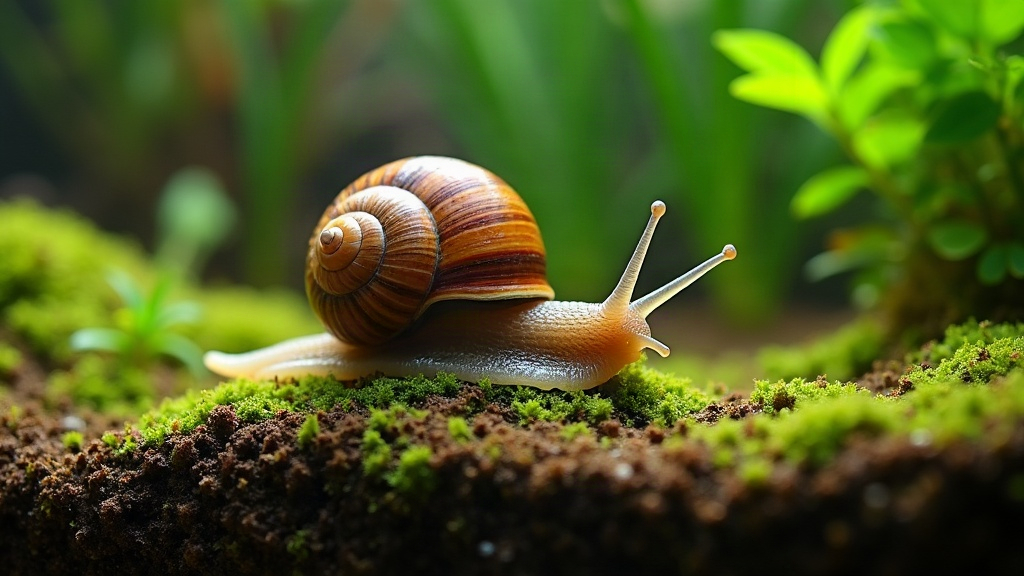
Nerite snails usually don’t need extra food in a well-established, lightly stocked planted nano tank, as long as there’s enough natural algae and biofilm for them to graze on. But in newer setups, heavily scrubbed tanks, or aquariums where several snails are competing for the same patch of glass, supplemental feeding becomes necessary to keep them healthy and avoid starvation.
Why Nerite Snails Are Popular in Nano Tanks
Nerite snails (genus Neritina and Vittina) are a favorite among planted tank hobbyists for a few good reasons:
- They eat algae aggressively, including stubborn diatoms and green spot algae that other cleanup crews ignore
- They rarely reproduce in freshwater (unlike pond or ramshorn snails), so you won’t wake up one day to find your 10-gallon tank overrun
- They’re small, colorful, and get along fine with shrimp, small fish, and delicate plants
- They leave healthy plant leaves alone, sticking to decaying matter and surface algae instead
Because of this reputation, a lot of beginners assume nerites are a fully “set it and forget it” cleanup crew. In reality, their dietary needs scale with tank size and how much algae is actually available. A snail in a 5-gallon bowl with spotless glass is in a very different situation than one in a mossy, two-year-old 20-gallon jungle tank.
When Algae Alone Is Enough
In a mature nano tank (think 10 to 20 gallons) with:
- Moderate to high lighting that encourages biofilm and algae growth
- Live plants shedding organic matter as they grow
- Only 1 to 2 nerite snails total
…natural grazing is usually plenty. Nerites are remarkably efficient grazers, and a tank showing visible green spot algae, diatoms, or a soft algae film on the glass, hardscape, and plant leaves can keep one or two snails fed indefinitely without you lifting a finger.
When You Need to Supplement Feeding
Supplemental food becomes essential in a handful of common nano tank scenarios:
1. New or Low-Algae Tanks
Freshly set up aquariums (under 2 to 3 months old) simply haven’t built up enough biofilm or algae yet to support a snail’s appetite. Starvation, honestly, is one of the leading causes of nerite snail death in brand-new tanks, snails bought the same week as the tank was filled often don’t survive the first month without help.
2. Overstocked Snail Populations
Three or more nerites crammed into a small nano tank will strip algae faster than it can regrow, especially under low light. What looked like plenty of green film on day one can be picked clean within a week.
3. Spotless, Over-Maintained Tanks
Aquarists who scrub the glass and decor every weekend are, without realizing it, removing the exact food source their snails rely on. It’s a bit ironic: a “too clean” tank is often a hungry tank.
4. Low-Light Planted Setups
Low-tech tanks running minimal lighting grow algae slowly, sometimes barely at all, leaving snails with almost nothing to graze between feedings.
Signs a Nerite Snail Is Underfed
Keep an eye out for these warning signs:
- A thin, cracking, or pitted shell (a classic giveaway of calcium and nutrient deficiency)
- Lethargy, or staying buried/hidden for unusually long stretches
- Visible weight loss, or the snail looking “shrunken” inside its own shell
- Shell growth that’s stalled completely, no new ridges or size increase over weeks
Best Supplemental Foods for Nerite Snails
If your tank’s natural algae supply isn’t cutting it, try offering:
- Blanched vegetables: zucchini, cucumber, or spinach, weighted down so they sink, left in for a few hours
- Algae wafers: sinking wafers made for bottom feeders and snails, widely available at any pet store
- Calcium supplements: cuttlebone or crushed coral dropped into the tank helps maintain shell strength, especially important in soft or acidic water where calcium is already scarce
- Biofilm boosters: a piece of driftwood or some leaf litter (Indian almond leaves work well) encourages natural biofilm to form, giving snails something to graze on between feedings
Feed supplemental food 2 to 3 times a week, and pull out whatever’s uneaten within a few hours. Leftover veggie scraps rot fast and foul the water, a real concern in small nano tanks where even a little waste shifts parameters quickly.
Water Parameters That Affect Feeding Needs
Nerite snails are sensitive to a few specific water conditions:
- GH (general hardness): low GH water lacks the calcium snails need for shell health, which raises their dependence on supplemental calcium sources
- pH: stable, slightly alkaline water (7.0 to 8.0) supports stronger shell integrity over time
- Water changes: nano tanks need smaller, more frequent water changes, since parameters in a low volume of water can swing fast, sometimes within days
Quick Feeding Checklist
- ✅ Check glass, decor, and plant leaves weekly for visible algae film
- ✅ Limit snail population to roughly 1 per 5 gallons as a rule of thumb
- ✅ Add a calcium source if shells look dull, pitted, or thin
- ✅ Supplement with blanched veggies if algae looks scarce
- ✅ Don’t over-clean the tank, a bit of algae is actually good for your snails
Conclusion
Nerite snails are low-maintenance, but they’re not maintenance-free. Drop one or two into a mature, algae-rich planted nano tank, and they’ll likely thrive without you ever opening a feeding dish. But a new tank, an overstocked one, or a glass-polished-weekly setup is a different story. In those cases, blanched vegetables, algae wafers, and a calcium source aren’t optional extras, they’re what keeps your nerites healthy, active, and shell-strong over the long run. Watch their shells and behavior closely. That’s really the best way to know exactly what they need.