Leopard Gecko Not Eating After Shedding: Troubleshooting Guide
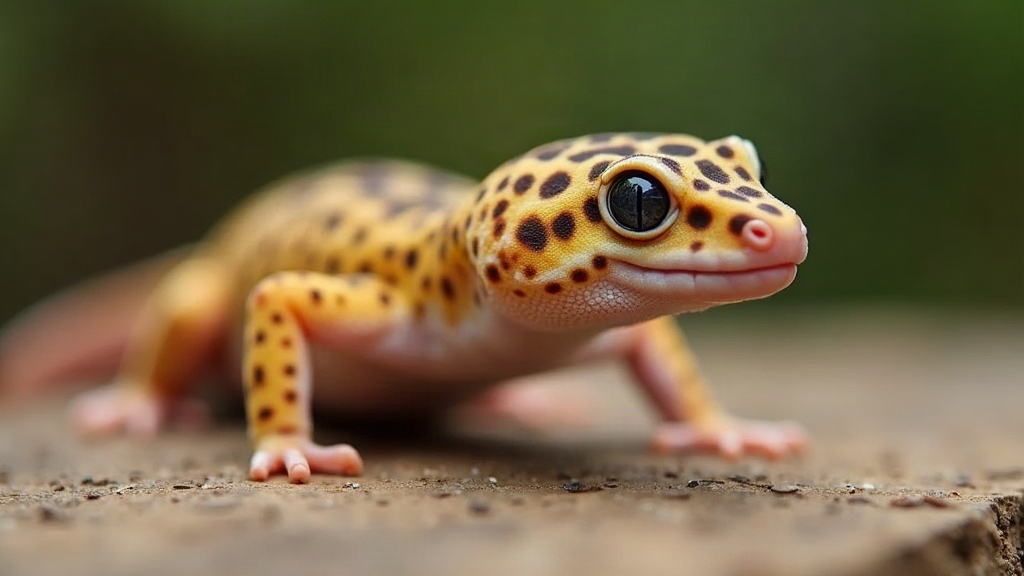
If your leopard gecko isn’t eating after shedding, don’t panic just yet. This is usually a temporary and totally normal reaction. Most geckos are back to their regular appetite within 1 to 3 days once their new skin settles and stress levels come back down. That said, if the refusal drags on past a week, or shows up alongside lethargy, weight loss, or bits of stuck shed, something deeper might be going on. Here’s what’s normal, what isn’t, and what to actually do about it.
Why Leopard Geckos Often Skip Meals After Shedding
Shedding takes a real toll, physically and energetically. Your gecko is pouring resources into building new skin, and appetite often takes a back seat while that happens. A few common, harmless culprits:
- Post-shed fatigue — the whole process is exhausting, and younger geckos feel it more since they shed far more often than adults.
- Sensory disorientation — fresh skin can throw off how your gecko smells and feels its prey for a day or two.
- Mild stress — some individuals are just wired to be jumpier around shedding and need a bit of quiet time to reset.
- Eating the shed skin — plenty of leopard geckos snack on their old skin right after peeling it off, which fills them up enough that they skip the next meal.
In the vast majority of cases, there’s nothing to fix here. Give it 24 to 72 hours before you start worrying.
When It’s More Than Just Post-Shed Rest
Keep an eye out for these red flags. They point to something beyond ordinary shedding fatigue:
- Retained shed stuck on toes, the tail tip, or around the eyes. This isn’t cosmetic; it can cut off blood flow or cause real pain.
- No eating for more than 7-10 days, with zero sign of improvement.
- Visible weight loss, especially a tail that’s thinning out (remember, that’s where a leopard gecko stores its fat).
- Constant hiding or lethargy, including at night, when they’d normally be up and moving.
- Sunken eyes or dull, papery-looking skin that persists even after the shed is finished.
If you’re seeing any of these, it’s time to step in rather than just wait and hope.
Step-by-Step Troubleshooting
1. Check for Retained Shed
Take a close look at the toes, tail tip, and around the eyes. Stuck shed is probably the single most common post-molt problem, and the discomfort alone is enough to kill an appetite. If you find any, run a shallow lukewarm soak (around 85-90°F) for 10-15 minutes to loosen it up, then gently work it free with a damp cotton swab. Never yank on it. Retained shed around the toes especially can restrict circulation if left alone too long.
2. Verify Humidity and Temperature
Nine times out of ten, an incomplete shed traces back to humidity being too low during the shed cycle. Double-check your setup against these numbers:
- Warm side basking spot: 88-92°F
- Cool side: 75-80°F
- Humid hide: available at all times, stocked with damp moss or a damp paper towel
- Ambient humidity: 30-40%, spiking to 50-60% right around the humid hide
A humid hide isn’t optional decor, it’s essential. Skipping it is basically inviting shedding complications.
3. Reduce Stress
Hold off on handling for a few days post-shed. Make sure there are enough hides on both the warm and cool sides so your gecko never feels like it’s out in the open. Loud rooms, a new tank mate, or even recently rearranging the enclosure can all stretch out that appetite loss longer than it needs to be.
4. Offer Food, Don’t Force It
Evening feedings tend to work best, since that’s when leopard geckos are naturally most active. Stick to appropriately sized live prey (crickets, dubia roaches, mealworms) and pull any uneaten bugs after 15-20 minutes so they’re not crawling around stressing your gecko out overnight.
5. Check the Tail
The tail is basically a fat reserve on legs. If it’s looking noticeably thin, or the base has narrowed down, your gecko is likely burning through stored energy instead of eating fresh. That’s a signal to watch closely, and if the appetite doesn’t come back soon, it’s worth booking a vet visit.
When to Contact a Reptile Vet
Don’t wait around if you’re seeing:
- No eating for 2+ weeks
- Weight loss that keeps going
- Signs of illness such as mucus, discoloration, swelling, or unusual stool
- Repeated incomplete sheds cycle after cycle
A vet can check for parasites, metabolic bone disease, or impaction, all of which can look a lot like simple post-shed appetite loss on the surface but need very different treatment.
Conclusion
A leopard gecko skipping meals after a shed is, in most cases, just a short recovery pause. Most bounce back within a few days without any intervention at all. What matters is being able to tell the difference between that normal dip and the real warning signs: stuck shed, appetite loss that drags past a week, a thinning tail. Keep your humidity and temperatures dialed in, back off on handling, and give your gecko room to recover on its own schedule. If a week goes by with no appetite, or things start looking worse instead of better, a trip to the reptile vet is the safer bet.