Russian Tortoise Outdoor Enclosure: Early Autumn Prep Guide
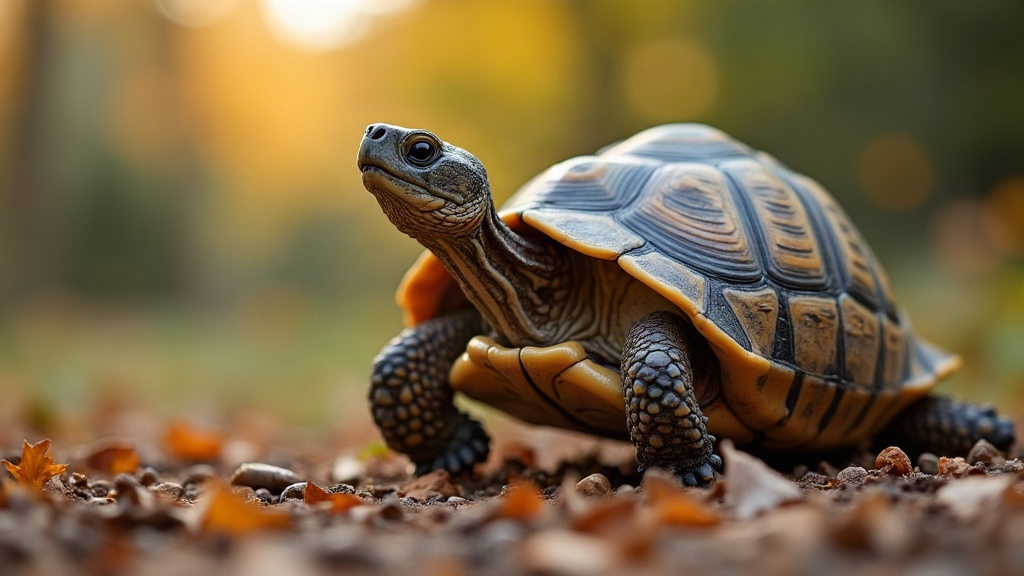
As temperatures start dropping in early autumn, your Russian tortoise’s outdoor enclosure needs several key adjustments to keep it safe, warm, and healthy until it’s time to move indoors or begin brumation prep. This guide walks through exactly what to change, when to act, and how to spot warning signs that your tortoise is struggling with the cooling weather.
Why Early Autumn Is a Critical Transition Period
Russian tortoises (Testudo horsfieldii) are tough animals, built for the wild temperature swings of the Central Asian steppe where they evolved. That said, a tortoise living in your backyard enclosure still needs a hand managing the shift from hot summer afternoons to chilly autumn nights. Sudden cold snaps, extra dampness in the substrate, and shrinking daylight hours can wear down a tortoise’s immune system fast if you don’t adjust the setup in time.
The point of early autumn prep isn’t to keep your tortoise toasty warm forever. It’s to smooth out the transition, whether that means getting ready for brumation or bringing the animal indoors for the winter months.
Step 1: Monitor Daily Temperatures Closely
Get a real thermometer into the enclosure and start logging both daytime highs and nighttime lows. Don’t rely on your phone’s weather app, it won’t tell you what’s actually happening six inches above the substrate where your tortoise is sitting.
- Daytime basking area: should stay between 85-90°F (29-32°C)
- Ambient daytime temp: ideally 75-85°F (24-29°C)
- Nighttime lows: once temperatures regularly dip below 50°F (10°C), it’s time to intervene
Once nights start consistently falling below that 50°F mark, your tortoise needs supplemental heat, or it needs to come inside. No in-between.
Step 2: Upgrade the Shelter or Hide Box
Whatever hide box worked fine in July probably won’t cut it once fall rolls in. A few upgrades make a real difference:
- Insulation: Pack the hide box with extra straw, hay, or aspen bedding to trap body heat.
- Weatherproofing: The roof and sides need to block wind and rain completely. A damp, cold hide is far more dangerous than a dry, cold one, that combination is what actually puts tortoises at risk.
- Raised flooring: Lift the hide slightly off the ground so moisture doesn’t seep in, especially after a heavy autumn rain.
- Supplemental heat: A ceramic heat emitter or a thermostat-controlled heat mat can go inside the hide for the colder nights. Just make sure there’s still a thermal gradient, so the tortoise can move away from the heat if it gets too warm.
Step 3: Adjust Humidity and Drainage
Autumn rain picks up, and wet substrate plus cold air is basically a recipe for respiratory infection. Walk through your enclosure and check:
- There’s a proper drainage slope so water doesn’t pool anywhere.
- Substrate near the basking spot and sleeping area stays dry, even a day after rain.
- You’re clearing out standing water daily once the rain starts.
Step 4: Modify Feeding and Activity Expectations
Cooler air slows a tortoise’s metabolism down, plain and simple. Expect to see:
- A smaller appetite
- Shorter bursts of activity during the day
- More hours spent basking, or just tucked away hiding
Don’t panic and try to force-feed a tortoise that’s eating less, that’s a normal seasonal shift, not a red flag on its own. Keep offering fresh, calcium-rich greens, dandelion, mustard greens, endive, during whatever active window the tortoise still has, so it can pack on any last bit of weight before brumation.
Step 5: Decide — Brumation or Indoor Transition?
By early autumn you need an actual plan, not a wait-and-see approach:
- Natural brumation outdoors (only works in mild climates, with a solid burrow setup and a vet-cleared health check beforehand).
- Controlled indoor brumation using a refrigerator-style setup or a cool, dark closet space.
- Indoor housing for the winter with no brumation at all, using a full indoor tortoise table complete with UVB and heat lamps.
Whatever you do, don’t let brumation happen by accident outdoors with no health check first. A sick or underweight tortoise that brumates unprepared can die, it’s that serious.
Warning Signs to Watch For
Bring your tortoise inside right away if you spot any of these:
- Lethargy that goes well beyond the usual seasonal slowdown
- A runny nose, wheezing, or bubbles coming from the nostrils
- Swollen eyes, or a tortoise that won’t open its eyes at all
- Soft patches on the shell or odd discoloration
Any of these point to cold stress or the early stages of a respiratory infection, and that means a vet visit, not a wait-and-see approach.
Final Checklist for Early Autumn Prep
- ✅ Thermometer installed and monitored daily
- ✅ Shelter insulated and weatherproofed
- ✅ Drainage checked after every rain
- ✅ Feeding adjusted to appetite changes
- ✅ Brumation or indoor plan finalized
- ✅ Vet checkup scheduled if brumation is planned
Conclusion
Getting a Russian tortoise enclosure ready for early autumn really comes down to paying attention and acting early: insulate the shelter, keep moisture under control, adjust feeding as appetite drops, and lock in a decision on brumation versus moving indoors before the weather forces your hand. A bit of work now, maybe an afternoon rebuilding the hide box and installing a thermometer, saves you from cold stress, illness, and nasty surprises down the road. Do it right and your tortoise sails through winter without a hitch.