Spring Pond Algae Control for Goldfish Without Chemicals
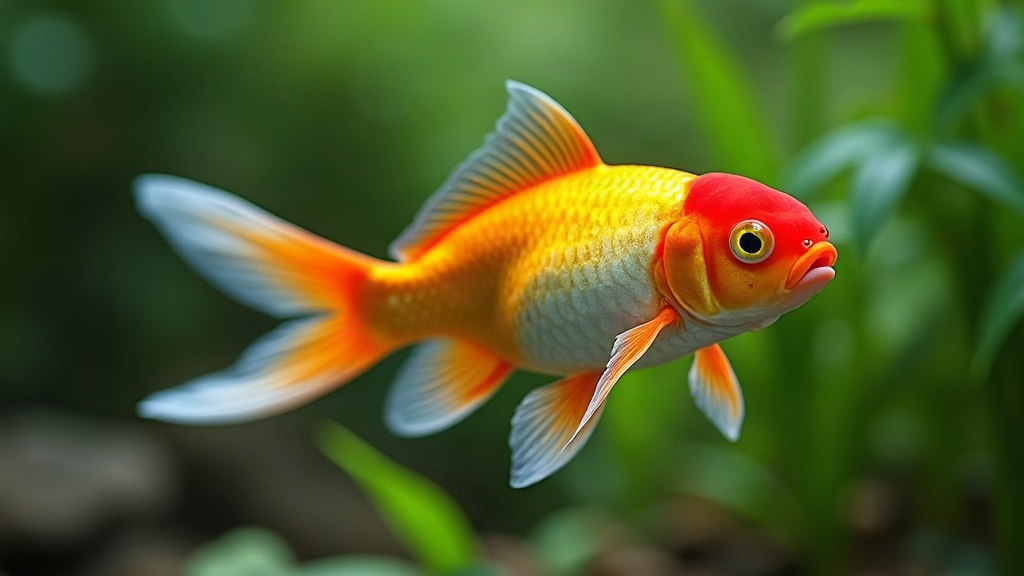
Spring Pond Algae Control for Goldfish (Without the Chemicals)
You don’t need to dump harsh chemicals into your goldfish’s home to keep spring algae in check. As the water warms up and the sun sticks around longer each day, algae blooms can go from “barely noticeable” to “pea soup” in under a week. The good news? There are natural strategies that actually work, clearing green water and knocking back string algae while keeping your fish calm and healthy. Below is what works, why it works, and how to set up a pond that resists algae long-term instead of fighting it every March.
Why Spring Triggers Algae Blooms
Every spring, ponds go through the same predictable cycle because three conditions hit all at once:
- Rising water temperatures wake dormant algae spores from their winter sleep
- Longer daylight hours power up photosynthesis
- Leftover nutrients from winter (decaying leaves, fish waste, dead plant matter) give algae something to feast on
There’s also a fish factor here. As the water warms, goldfish get hungrier and more active, which means more waste in the water. More waste means more nitrogen and phosphorus floating around, and that’s exactly what algae wants. Once you understand this chain reaction, controlling it becomes a lot less mysterious.
Step 1: Do a Thorough Spring Cleanout
Before you even think about treatments, cut off algae’s food supply:
- Net out decomposing leaves, dead plant bits, and sludge sitting on the pond floor
- Use a pond vacuum or a fine net to clear debris gradually. Don’t drain the whole pond at once, that kind of shock isn’t kind to your goldfish
- Trim away dead plant sections left over from winter dieback
A clean bottom means less nutrient soup for algae to grow on. This one step alone makes a noticeable difference.
Step 2: Add Floating and Submerged Plants
Plants are the single best chemical-free tool you have, because they literally steal the same nutrients algae needs to survive.
Plants that outcompete algae:
- Water hyacinth – grows fast and soaks up nutrients like a sponge
- Water lettuce – floats on the surface and blocks light from reaching the water below
- Hornwort or anacharis (submerged) – works underwater, pulling out excess nutrients before algae can touch them
- Water lilies – cover 50-70% of the surface, cutting off the sunlight algae relies on
Aim for somewhere around 40-60% surface coverage with floating plants. Get that right and you can watch green water clear up noticeably within 2-3 weeks.
Step 3: Introduce Barley Straw or Barley Extract
Ask any longtime pond keeper and barley straw usually comes up first. As it breaks down slowly in the water, it releases compounds that suppress algae growth, and it’s completely harmless to fish.
- Use barley straw bales (a small bale per 1,000 gallons works well) or liquid barley extract if you want faster results
- Tuck the straw into a mesh bag and place it near the pump or waterfall so water keeps moving through it
- Don’t expect miracles overnight. Results usually show up in 2-4 weeks since barley works as prevention, not a quick fix
Step 4: Add a Beneficial Bacteria Supplement
Beneficial bacteria (both nitrifying and heterotrophic strains) break down ammonia, nitrites, and organic sludge before algae gets the chance to feed on any of it.
- Add a natural pond bacteria starter weekly through the spring warm-up period
- It’s entirely safe for goldfish, and it actually improves water quality across the board
- Pair it with mechanical filtration for the best results, bacteria alone won’t do all the work
Step 5: Improve Filtration and Circulation
Still water invites algae. Moving water discourages it. So keep things circulating:
- Upgrade to (or add) a biological filter with a UV clarifier. UV light isn’t a chemical treatment, it’s a physical process that sterilizes and kills free-floating algae cells as they pass through
- Make sure your pump can turn over the entire pond volume at least once every 2 hours
- A small waterfall or fountain does double duty: adds oxygen and keeps water from sitting stagnant in corners
Step 6: Balance Your Goldfish Feeding
Overfeeding is probably the most underestimated algae contributor out there. Whatever food your fish don’t eat just sits there and rots, feeding algae directly.
- Only feed what your goldfish can finish in 2-3 minutes
- In early spring, once a day is plenty, even as their metabolism starts ramping back up
- Switch to a quality, lower-phosphorus goldfish food if you haven’t already
Step 7: Introduce Natural Algae Grazers
Certain pond residents will happily do some of this work for you:
- Ramshorn or Japanese trapdoor snails – graze on string algae and biofilm all day long
- Amano shrimp (works best in warmer climates) – strong algae eaters that get along fine with goldfish
What to Avoid
- Skip copper-based algaecides. They’re marketed as quick fixes but in concentrated doses they’re toxic to goldfish
- Don’t drain more than 20-30% of the pond at once during spring. Sudden water changes stress fish out and wipe out your beneficial bacteria colonies right when you need them most
Conclusion
At the end of the day, beating spring algae without chemicals is really about rebalancing the pond as a whole system: cut the nutrients, let plants compete for resources, boost the good bacteria, and keep the water moving. Put together a spring cleanout, some floating plants, a bit of barley straw, and smarter feeding habits, and you should see noticeably clearer water within 3-4 weeks, plus goldfish that look healthier and more vibrant all season long.